Why You Should Buy Recycled Plastic for a Sustainable Future
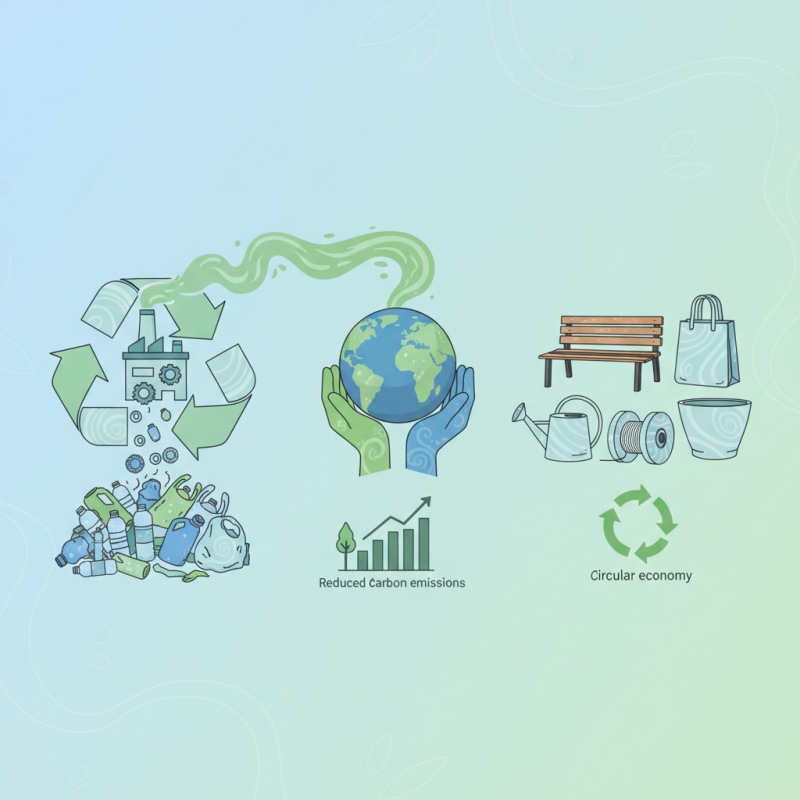
In an era where environmental concerns are at the forefront of global discourse, the choices we make as consumers play a crucial role in shaping a sustainable future. One of the simplest yet most impactful decisions we can make is to buy recycled plastic. This material, crafted from post-consumer waste, not only helps reduce the burden on landfills but also minimizes the demand for virgin plastic production, which is a major contributor to carbon emissions and environmental degradation. By choosing recycled plastic, we invest in a circular economy that values resource recovery and waste reduction.
Moreover, buying recycled plastic can lead to innovative and sustainable product development. Industries are increasingly recognizing the potential of utilizing recycled materials, which can drive technological advancements and encourage the creation of eco-friendly alternatives in various sectors. This shift not only fosters a greener planet but also invites consumers to be part of the solution by supporting businesses that prioritize sustainability. By collectively making informed purchasing decisions, we can champion efforts to reduce plastic waste, enhance recycling technologies, and promote an environmentally responsible lifestyle. The benefits of buying recycled plastic extend beyond individual choices, reflecting a collective commitment to preserving our planet for future generations.
The Impact of Plastic Pollution on the Environment
Plastic pollution has become one of the most pressing environmental issues of our time, threatening ecosystems and wildlife. Millions of tons of plastic waste end up in oceans and landfills every year, harming aquatic life and disrupting habitats. The production of new plastic contributes to greenhouse gas emissions, exacerbating climate change. By recognizing the impact of plastic pollution, we can make informed decisions about our consumption and support materials that are more sustainable.
One effective way to reduce our ecological footprint is to switch to recycled plastic products. These products not only help decrease the demand for new plastic production but also contribute to a circular economy where materials are reused and repurposed. When you choose recycled plastic, you actively participate in reducing pollution and conserving natural resources.
Tips for making a sustainable choice include educating yourself about product origins, opting for items made from at least 50% recycled content, and supporting businesses that prioritize sustainability. Additionally, reduce your single-use plastic consumption by using alternatives like reusable bags and containers. By taking these simple steps, you can greatly diminish your impact on the environment and encourage a collective effort towards a cleaner, greener future.
The Benefits of Using Recycled Plastic in Various Industries
Recycled plastic has emerged as a pivotal material across various industries, offering numerous benefits that contribute to a more sustainable future. One of the primary advantages is the reduction of waste in landfills, as repurposing plastic helps mitigate the environmental challenges posed by single-use products. By integrating recycled plastic into manufacturing processes, industries can significantly decrease their reliance on virgin materials, thereby conserving natural resources and creating a circular economy that promotes the longevity of plastics.
Moreover, the versatility of recycled plastic enables its use in a wide range of applications, from construction to automotive manufacturing. In the construction sector, recycled plastic can be used for insulation, roofing, and even in the production of durable building materials. The automotive industry is also increasingly adopting recycled plastic for components, which not only reduces weight and enhances fuel efficiency but also lessens the carbon footprint associated with manufacturing new materials. By investing in recycled plastic, industries can meet growing consumer demand for sustainability while simultaneously reducing their operational costs and enhancing their brand image in an eco-conscious marketplace.
Benefits of Using Recycled Plastic in Various Industries
Comparing Recycled Plastic to Virgin Plastic in Sustainability
When comparing recycled plastic to virgin plastic, one must consider the significant environmental benefits offered by the former.
Recycled plastic is created by reprocessing used plastic materials, which reduces the demand for new raw materials. This not only conserves natural resources but also minimizes the energy consumption associated with the production of virgin plastic.
In fact, the recycling process typically requires less energy, leading to a reduction in greenhouse gas emissions. By opting for recycled plastic, consumers are actively participating in a circular economy that aims to lessen the strain on our planet’s resources.
Additionally, the impact of plastic waste on the environment cannot be overstated. Virgin plastic production contributes heavily to pollution, both in terms of carbon emissions and plastic waste in landfills and oceans.
Conversely, choosing recycled plastic helps divert plastic waste from these harmful environments, thus promoting a more sustainable approach to plastic use. Furthermore, investing in recycled plastic supports the recycling infrastructure, encouraging innovations and improvements in waste management systems. Such choices are crucial for ensuring a sustainable future for generations to come, highlighting the importance of shifting from virgin to recycled materials in our daily lives.
How Buying Recycled Plastic Supports the Circular Economy
The shift towards a circular economy is gaining momentum, and purchasing recycled plastic plays a crucial role in this transformation. According to the Ellen MacArthur Foundation, transitioning to a circular economy could yield a $4.5 trillion economic opportunity across various sectors by 2030. By investing in recycled plastic products, consumers and businesses contribute to the reduction of waste, thereby minimizing environmental impact. This practice not only curtails the need for virgin materials but also encourages the recycling industry, creating jobs and promoting sustainable practices.
Integrating recycled plastic into our daily lives helps establish a more sustainable future. Studies show that using recycled plastics can save up to 60% in energy consumption compared to new plastic production. Furthermore, a report from the Global Recycling Foundation highlights that increasing the recycling rate of plastics from 9% to 50% could significantly lower greenhouse gas emissions. As consumers become more aware of these benefits, their choices can drive demand for recycled materials, further supporting innovation and development in recycling technologies.
Tips: When choosing recycled plastic products, look for certifications that ensure the item meets specific sustainability standards. Consider purchasing items made from post-consumer recycled plastic, as they often have a lower environmental footprint. Lastly, educate others about the benefits of recycled products to foster a community that values sustainability and supports the circular economy.
Why You Should Buy Recycled Plastic for a Sustainable Future
| Aspect |
Details |
| Environmental Impact |
Using recycled plastic reduces landfill waste and pollution, conserving natural resources. |
| Circular Economy Support |
Purchasing recycled plastic promotes resource reuse and reduces the need for virgin plastic production. |
| Energy Savings |
Recycled plastic production requires less energy compared to raw material processing, leading to lower carbon emissions. |
| Market Growth |
Demand for recycled products contributes to market growth and innovation in sustainable materials. |
| Consumer Awareness |
Increasing awareness about sustainability prompts consumers to prefer recycled options, driving change. |
Innovative Applications of Recycled Plastic for a Greener Future
The adoption of recycled plastic has opened up innovative avenues for creating sustainable solutions that address pressing environmental issues. For instance, according to a report by the Ellen MacArthur Foundation, transitioning to a circular economy model could lead to a reduction of 70% in plastic waste by 2040. This is driven by advancements in recycling technologies, which are enabling manufacturers to repurpose recycled plastics into high-quality products that can compete with virgin materials. The production of recycled plastic requires 50-80% less energy compared to new plastic, demonstrating its potential for significant carbon footprint reduction.
One of the most exciting advancements is the use of recycled plastic in construction and infrastructure. Reports from the International Journal of Environmental Science and Technology indicate that recycled plastics can be integrated into road construction and building materials, offering durability while simultaneously diverting waste from landfills. Additionally, researchers are developing methods to use recycled plastics in 3D printing, creating opportunities for producing sustainable consumer products and reducing manufacturing waste. As industries increasingly recognize the ecological benefits and cost efficiency of using recycled materials, the potential applications for recycled plastics are expanding, paving the way for a greener future.