2025 How to Choose the Best Recycled Plastic Bags for Your Needs
As the global emphasis on sustainability continues to grow, consumers are increasingly seeking environmentally friendly alternatives for everyday products. One such solution is the use of recycled plastic bags, which not only help reduce plastic waste but also offer practical benefits for various applications. Choosing the right recycled plastic bags can be a daunting task due to the variety of options available on the market. Whether you need bags for shopping, storage, or other purposes, understanding the key features and benefits of recycled plastic bags is essential for making an informed choice.
In this guide, we will explore the critical factors to consider when selecting the best recycled plastic bags to suit your individual needs. From assessing the durability and size of the bags to understanding their environmental impact, you will gain valuable insights into how to select the most suitable options for your lifestyle. By prioritizing recycled plastic bags, you not only contribute to reducing landfill waste but also support the transition towards a more sustainable future. Let's delve into the essential aspects of choosing recycled plastic bags that align with your requirements and values.
Understanding the Types of Recycled Plastic Bags Available in 2025
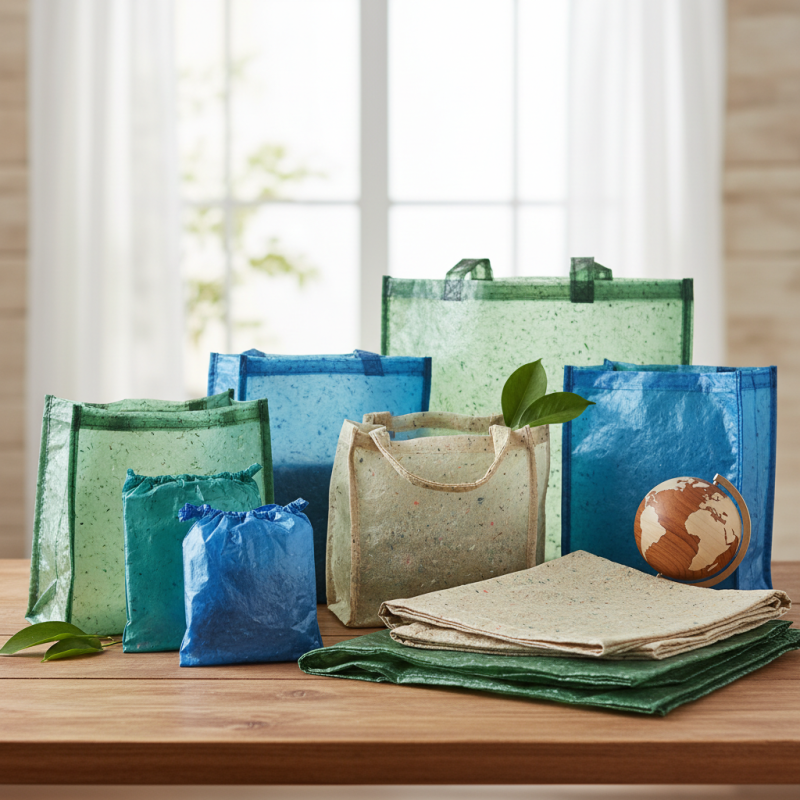
In 2025, understanding the various types of recycled plastic bags is essential for making informed choices that align with both personal needs and environmental consciousness. The most common types include those made from recycled polyethylene terephthalate (rPET) and recycled high-density polyethylene (rHDPE). rPET bags are known for their durability and are often used for grocery and retail applications, while rHDPE bags are light and versatile, frequently utilized in food packaging and everyday carry bags. Exploring the specific strengths of these materials can help individuals select bags that best suit their purchasing habits and lifestyle.
Furthermore, it is important to consider the intended use of the recycled plastic bags. For instance, thick, durable options are more suitable for heavy items or repeated use, making them ideal for shopping. On the other hand, lighter bags may be sufficient for temporary use, such as carrying light groceries or items during a single trip. Additionally, the design and features such as handles, closures, and waterproofing can impact functionality. As we advance into 2025, being mindful of these factors can enhance user experience while promoting sustainable practices in daily life.
2025 Recycled Plastic Bags Usage Comparison
Evaluating the Environmental Impact of Different Recycled Plastic Bags
When choosing recycled plastic bags, one must consider their environmental impact, which can vary significantly depending on the type and processing of the recycled materials. According to a report by the Environmental Protection Agency (EPA), recycled plastic bags contribute to a reduction in greenhouse gas emissions by as much as 60% compared to those made from virgin plastics. This statistic underscores the importance of selecting bags made from post-consumer recycled content, as they not only divert waste from landfills but also lower the demand for new plastic production.
Moreover, the production process of recycled plastic bags plays a crucial role in their overall environmental footprint. The lifecycle assessment performed by the National Association for PET Container Resources indicates that recycling one ton of plastic can prevent the emission of approximately 1.2 tons of carbon dioxide. This highlights the beneficial impact of using recycled materials over traditional options. When evaluating bags, consumers should also consider factors such as durability and reuse potential, as longer-lasting products lead to less frequent replacements, further minimizing environmental strain. Ultimately, making informed choices about recycled plastic bags can significantly contribute to sustainability goals.
2025 How to Choose the Best Recycled Plastic Bags for Your Needs
| Bag Type |
Material Composition |
Recycling Rate (%) |
Biodegradability |
Weight Capacity (lbs) |
Cost per Bag ($) |
| Standard Recycled Plastic Bag |
HDPE (High-Density Polyethylene) |
30% |
No |
10 |
0.10 |
| Biodegradable Plastic Bag |
PLA (Polylactic Acid) |
25% |
Yes |
8 |
0.15 |
| Reusable Recycled Bag |
RPET (Recycled Polyethylene Terephthalate) |
70% |
No |
15 |
0.50 |
| Compostable Plastic Bag |
PHA (Polyhydroxyalkanoates) |
20% |
Yes |
12 |
0.25 |
Assessing Durability and Functionality Criteria for Plastic Bags
When selecting recycled plastic bags, understanding their durability and functionality is essential. According to a report from the Association of Plastic Recyclers, bags made from recycled materials can have different durability levels depending on the production processes and the type of plastic used. Generally, high-density polyethylene (HDPE) and low-density polyethylene (LDPE) are recognized for their strength, with HDPE often surpassing LDPE in terms of tear resistance. This distinction is crucial for consumers looking for bags that can withstand everyday usage without easily breaking.
Functionality is another critical criterion, as it relates directly to the intended use of the bags. A study by the American Society for Testing and Materials (ASTM) emphasizes that the thickness and design of the plastic bags impact their usability, particularly under heavy loads. Consideration should be given to the bag size, handle strength, and closure mechanisms, as these factors determine whether the bag can effectively fulfill its purpose, from grocery shopping to storage solutions.
Tips: When choosing recycled plastic bags, opt for those that have been certified by recognized organizations to ensure quality. Additionally, consider the weight capacity of the bags; a thicker bag often provides more durability and utility. Lastly, evaluate how the bags will be used—selecting the right type for specific tasks can significantly enhance their performance.
Selecting the Right Size and Capacity for Your Specific Needs
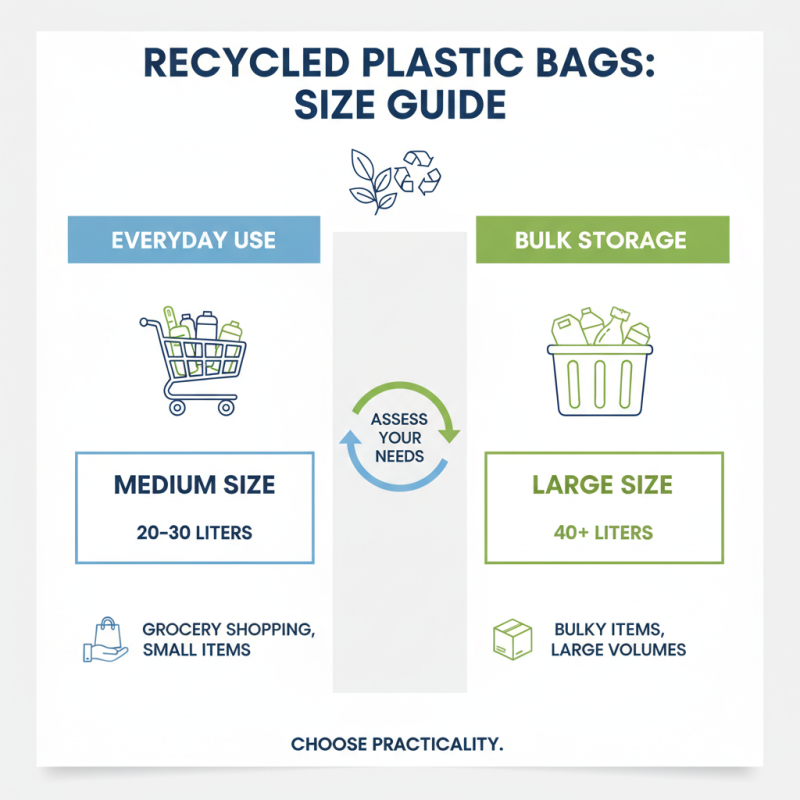
When selecting recycled plastic bags, understanding the right size and capacity is crucial for meeting your specific needs. Consider the items you plan to carry or store. For everyday grocery shopping, medium-sized bags with a capacity of around 20-30 liters may suffice. However, if you're looking for bags to hold bulkier items or larger volumes, opt for larger bags that can accommodate 40 liters or more. Assessing your typical usage ensures that you choose the most practical size for your tasks.
Tips: Always measure the dimensions of the space where you plan to store items in the bags. This helps in identifying the appropriate bag size. Additionally, think about the weight of the items you’ll carry. Make sure to select bags that can handle the load without risk of tearing or damage.
Another factor to consider is the bag's shape. Flat bags are ideal for carrying box-like items, while gusseted bags offer more depth for bulky goods. By paying attention to the shape and the capacity, you can choose recycled plastic bags that not only fit your items perfectly but also promote sustainability in your daily activities.
Cost Considerations When Choosing Recycled Plastic Bags in 2025
When selecting recycled plastic bags in 2025, cost considerations play a crucial role in the decision-making process. As sustainability becomes increasingly prioritized, understanding the pricing spectrum can help buyers make informed choices. The initial investment in recycled plastic bags may seem higher compared to conventional options, but the long-term benefits often justify the price. Additionally, the durability of recycled plastics may result in lower replacement costs over time, allowing consumers to save money in the long run.
Another important aspect to consider is the potential for bulk purchasing and local sourcing. Many manufacturers and suppliers offer discounts for larger orders, which can significantly reduce the overall cost per unit. By collaborating with local businesses, consumers may also eliminate shipping costs, further enhancing their savings. Furthermore, being aware of government incentives or programs supporting eco-friendly products can lead to additional financial benefits when choosing recycled plastic bags, making them a more economical and responsible choice for both individuals and businesses alike.