2026 Best Uses for Recycled Plastic in Sustainable Products?
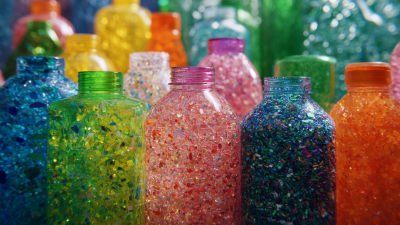
As the world faces increasing plastic waste, the role of recycled plastic in sustainable products becomes crucial. According to a recent report by the Ellen MacArthur Foundation, around 300 million tons of plastic are produced each year. A significant portion of this ends up in landfills or oceans, highlighting the urgent need for innovative solutions. Experts suggest that recycled plastics can reduce this environmental burden while fueling the circular economy.
Dr. Lisa McCann, a leading expert in sustainable materials, states, "Using recycled plastic not only conserves resources but also minimizes waste." Her insights reflect a growing trend in industries seeking greener alternatives. Recycled plastic can be transformed into various products, from fashion to packaging. However, challenges remain. The quality of recycled materials can vary, affecting product performance.
It's essential to evaluate how industries can best utilize recycled plastics effectively. Companies must consider environmental impact alongside functionality. With the right approach, recycled plastic holds promise for a sustainable future.
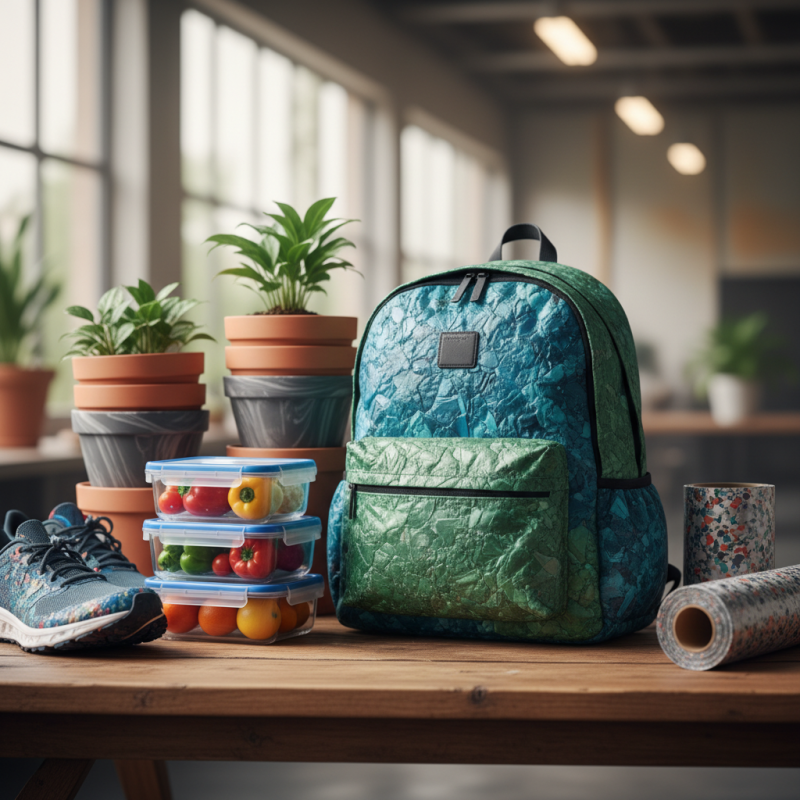
Best Applications of Recycled Plastic in Sustainable Packaging Solutions
Recycled plastic is at the forefront of sustainable packaging solutions. In 2020, analysts reported that the global recycled plastic market was valued at over $36 billion. This figure is expected to rise, reaching approximately $60 billion by 2025. This growth highlights the increasing importance of recycled materials in the packaging sector. Items like food containers, bottles, and flexibility films are prime candidates for recycled plastic use.
However, the industry still faces challenges. Quality control remains an issue; not all recycled plastics meet stringent food safety standards. Also, only 9% of plastic waste is ever recycled effectively. This inefficiency poses questions about how the industry continues to operate. Packaging made from recycled materials is often criticized for durability and aesthetic appeal. Moreover, consumer awareness about recycling and its benefits is still lacking. Efforts to educate could help overcome these barriers.
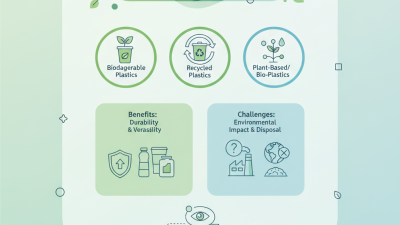
Adopting recycled plastic in packaging requires innovative thinking. Brands need to consider how to improve product performance while keeping environmental impact in check. New approaches, such as using bioplastics alongside recycled materials, hold promise. Still, meeting consumer demand for sustainability remains a tough road ahead.
Innovative Uses of Recycled Plastic in Textile Industries for Eco-Fashion
The textile industry is embracing recycled plastic in innovative ways. From constructing eco-friendly fabrics to creating unique fashion pieces, this shift is significant. Recycled plastics are transformed into fibers, which can be woven into stylish garments. This process reduces landfill waste and conserves natural resources.
Tips: When choosing recycled plastic products, look for transparency in sourcing. Not all recycled materials are created equal. Some may still contribute to microplastic issues. Understanding the recycling process can help you make informed decisions.
Designers experiment with textures and colors derived from recycled materials. They often mix recycled threads with natural fibers for versatile styles. However, some consumers may question the durability and quality of these textiles. It’s essential to consider the environmental impact of new trends versus traditional practices. Pay attention to the lifecycle of your clothing and its end-of-life options.
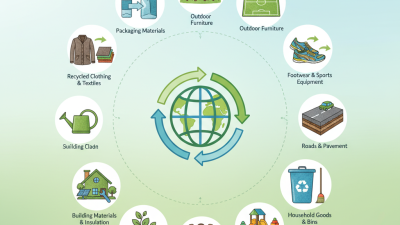
2026 Best Uses for Recycled Plastic in Sustainable Products
This chart illustrates the various innovative uses of recycled plastic in the textile industry for eco-fashion. The data includes different applications and their respective percentage utilization in 2026.
Recycled Plastic in Construction: Designing Sustainable Building Materials
The construction industry is increasingly embracing recycled plastic for sustainable building materials. According to a report by the World Economic Forum, approximately 320 million tons of plastic are produced each year, with construction accounting for a significant portion of this waste. Utilizing recycled plastic can help mitigate environmental damage. In fact, recycled plastics can replace traditional building materials like wood and concrete, which contribute heavily to deforestation and carbon emissions.
In addition to reducing waste, recycled plastics offer unique benefits in design. They can be molded into various shapes and sizes, enabling architects to innovate. For instance, using recycled plastic in insulation can enhance energy efficiency. Research indicates that recycled plastic insulation can outperform traditional materials by up to 30% in thermal resistance.
Nevertheless, challenges remain. The long-term durability of recycled plastic in construction is still under scrutiny. Some materials may degrade faster than expected, which requires ongoing assessment and adjustment in design methodologies.
Furthermore, the supply chain for recycled plastics can be inconsistent. Not all construction projects can source high-quality materials reliably. This raises questions about scalability and resilience in using recycled plastics. Adopting more recycled materials necessitates a culture shift in engineering and design. Collaboration across industries is essential to address these challenges and enhance the overall lifecycle of building materials.
Impact of Recycled Plastic on Circular Economy and Waste Reduction Efforts
Recycled plastic plays a crucial role in promoting a circular economy. According to a report by the Ellen MacArthur Foundation, transitioning to a circular economy could generate $4.5 trillion in economic benefits by 2030. This includes the reduction of waste and the effective re-use of materials. However, only 9% of the plastic produced globally is recycled. This glaring statistic highlights a pressing need for better recycling practices.
The impact of recycled plastic extends beyond waste reduction. For example, using recycled plastics in construction materials can significantly lower the carbon footprint of buildings. Research indicates that integrating recycled content can reduce greenhouse gas emissions by up to 90%. Still, challenges remain. The technology for efficient recycling is not universally available. Many regions lack adequate facilities, leading to a significant portion of waste ending up in landfills.
Moreover, the recycling process itself often involves quality degradation. Recycled plastics can have lower performance compared to virgin materials. This can deter manufacturers from using recycled content. Greater investment in innovation is essential to overcome these barriers. Stakeholders must work together to promote better recycling technologies and market demand for products made from recycled materials.
2026 Best Uses for Recycled Plastic in Sustainable Products
| Application |
Material Type |
Environmental Impact |
Recycling Rate (%) |
| Bottles for Beverages |
PET (Polyethylene Terephthalate) |
Reduces landfill waste and conserves resources |
29% |
| Clothing Fibers |
RPET (Recycled PET) |
Promotes sustainable fashion, reduces textile waste |
25% |
| Construction Materials |
Composite Materials |
Decreases demand for virgin materials, reduces carbon footprint |
40% |
| Furniture |
Recycled HDPE (High-Density Polyethylene) |
Long-lasting products reduce replacement frequency |
38% |
| Eco-friendly Packaging |
Recycled Paperboard and Plastic |
Minimizes plastic waste, promotes circular economy |
33% |
Consumer Trends in Sustainable Products Featuring Recycled Plastics in 2026
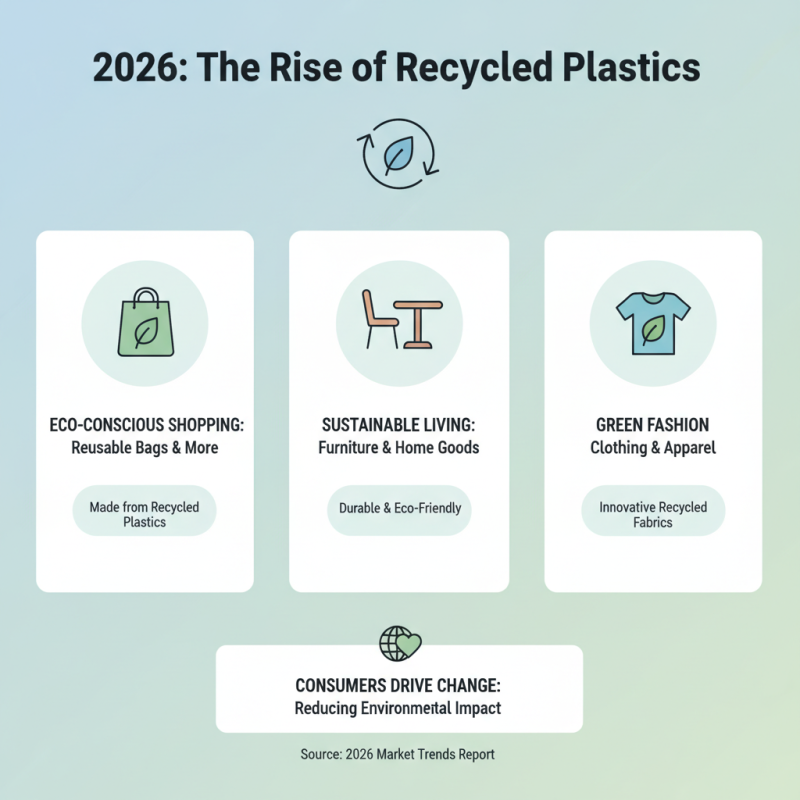
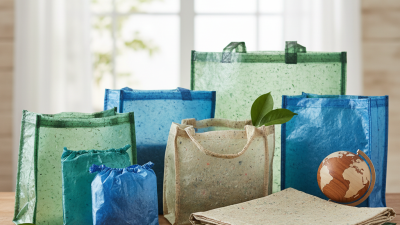
In 2026, consumers are increasingly drawn to sustainable products that incorporate recycled plastics. These products include reusable bags, furniture, and even clothing. People are becoming more aware of their environmental impact. They actively seek options that reflect their eco-conscious values.
Tips: Look for local stores that offer products made from recycled materials. Support brands that prioritize sustainability. Small choices create a larger impact.
Recycled plastic materials are versatile. Some companies are experimenting with innovative designs. They create unique products that capture consumers' attention. However, the quality of recycled plastics can vary. Not all products are durable or sustainable. It's essential to research before making a purchase.
While trends are promising, challenges remain. Some consumers may feel skeptical about recycled materials. Misconceptions about their quality persist. Transparency from manufacturers can help build trust. Education is crucial in promoting the benefits.