Bio-based Food Containers Trends for Global Sourcing Needs?
The demand for sustainable packaging is rising globally. One notable trend is the shift towards bio-based food containers. These innovative products offer a more environmentally friendly option for consumers and manufacturers alike. Bio-based food containers are made from renewable resources. This feature reduces dependence on fossil fuels, aligning with global sustainability goals.
As awareness of environmental issues grows, businesses are adapting. They recognize that consumers prefer eco-friendly packaging. However, challenges remain in sourcing these materials. Supply chains need to be established to ensure consistent quality and availability of bio-based food containers. Innovations in material science are crucial for overcoming these hurdles.
The market for bio-based food containers is evolving rapidly. Regulations and consumer preferences dictate this shift. Companies must stay informed about developments in packaging technologies and practices. The journey towards fully sustainable food containers requires ongoing reflection and adjustment. Balancing efficiency and environmental impact is key for success.
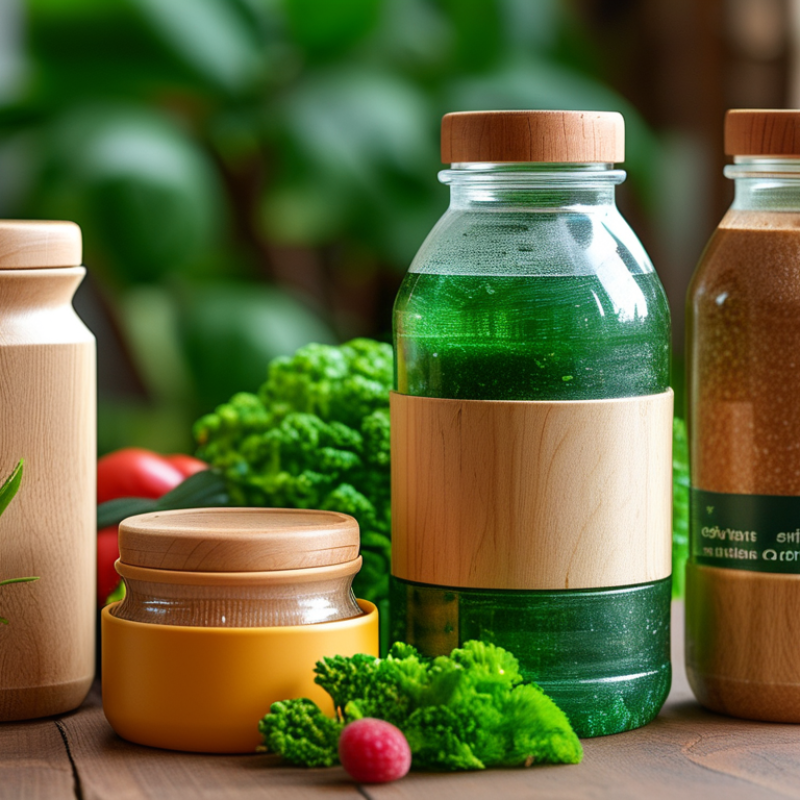
Emerging Trends in Bio-based Food Container Materials
As sustainability gains traction, bio-based food containers are emerging as a viable alternative. These containers are typically made from natural materials such as plant-based polymers. They offer a more environmentally friendly solution compared to traditional plastic. The shift towards bio-based materials reflects changing consumer preferences for sustainable options.
Biodegradability is a key trend in these materials. Many consumers are looking for packaging that won’t linger in landfills for years. Moreover, the use of bio-based containers helps reduce reliance on fossil fuels. Different types of bio-plastics are under development, each with unique properties. Some may not perform well under specific conditions, which presents challenges.
Innovation continues to drive this sector. New technologies are improving the strength and durability of bio-based materials. However, scalability remains a hurdle. Producing these materials in large quantities can be costly. There are also concerns about sourcing raw materials sustainably. Striking a balance between performance and environmental impact is essential. Continuous research and thoughtful implementation can lead to improvements in this field.
Sustainability and Environmental Impact of Bio-based Containers
The rise of bio-based food containers is transforming the food packaging industry. Recent reports indicate that the global market for bio-based packaging is projected to reach $650 billion by 2027. This growth is driven by increasing consumer demands for sustainable solutions and the need to reduce environmental footprints.
Bio-based containers are primarily made from renewable resources, such as plant materials. They significantly lower greenhouse gas emissions compared to conventional plastic containers. A study found that bio-based plastics can reduce carbon emissions by 50% to 75% during their lifecycle. Nevertheless, challenges remain. The sourcing of raw materials can lead to land competition and affect food security. Also, consumer awareness about end-of-life options for these materials is still limited.
The environmental impact of these containers warrants thoughtful consideration. While they promote sustainability, the production process must be monitored. The biodegradability of bio-based materials can vary widely. Not all are compostable, raising concerns about waste management. As the market evolves, continuous improvement in material efficiency and consumer education will be crucial for maximizing their benefits.
Key Players and Innovations in Global Sourcing of Bio-based Packaging
The rise of bio-based food containers reflects a shift towards sustainability in packaging. Recent reports indicate that the global bio-based packaging market is projected to surpass $600 billion by 2027, driven by increased consumer demand for environmentally friendly options. Key players in this field are innovating to develop materials from renewable resources like plant fibers and bioplastics. These advancements not only reduce reliance on fossil fuels but also enhance biodegradable properties.
Innovative materials are emerging from various suppliers. Some bio-based containers are made from cornstarch and sugarcane, offering compostability and a lower carbon footprint. Reports have highlighted that compostable packaging can reduce greenhouse gas emissions by 68% compared to traditional plastic. Yet, the challenge remains in ensuring these materials are widely available and cost-effective. Infrastructure for composting is still lacking in many regions, hindering their adoption.
While industry efforts are commendable, there are still concerns regarding the actual environmental benefits of bio-based packaging. Some studies show that the production process for these materials can be energy-intensive. Stakeholders must critically assess the entire lifecycle of these products, from sourcing to disposal, ensuring a truly sustainable approach. The conversation around bio-based food containers is ongoing, with potential for both improvement and innovation.
Market Demand and Consumer Preferences for Eco-friendly Containers
Consumer preferences are shifting towards eco-friendly food containers. More people are aware of environmental issues. They seek sustainable options that align with their values. It’s not just a trend; it's a lifestyle choice. Biodegradable materials and recycled plastics are gaining attention. These materials often reduce waste and carbon footprints. However, performance concerns still linger. Some eco-friendly containers may not hold up well under heat or moisture.
Market demand is increasing for containers that are both functional and sustainable. Many consumers now read labels closely. They want to know about sourcing practices and material origins. This quest for transparency drives brands to improve their offerings. Yet, there are challenges. Not all consumers are willing to pay more for green products. Pricing remains a significant barrier for broader market acceptance. Companies need to balance cost and quality in their product development.
Retailers are also adapting to these changing preferences. They are introducing more eco-friendly options to meet demands. Still, the education gap about these products persists. Some consumers may not fully understand the benefits of bio-based materials. This lack of knowledge can lead to hesitation. Brands must invest in clear communication to inform and persuade their audience. Only then can they effectively navigate this evolving landscape.
Regulatory Standards and Challenges in Bio-based Food Packaging
The shift towards bio-based food packaging is becoming essential in the global market. However, the regulatory landscape presents significant challenges. Understanding these standards is crucial for manufacturers and suppliers. Many regions have specific guidelines for biodegradability and safety. Compliance can be complex due to differing regulations across countries.
Some materials may not meet local safety requirements, which can hinder market entry. There may also be limited testing facilities for bio-based products, complicating the approval process. Stakeholders often find themselves navigating a patchwork of laws. Furthermore, the perception of bio-based products varies widely among consumers. Many still question their durability and performance compared to traditional packaging.
Innovations in technology can help address these challenges. Nevertheless, not all advancements are scalable or cost-effective. The industry faces ongoing trials in balancing environmental benefits with practical application. As sourcing needs evolve, collaboration between policymakers and manufacturers becomes critical. This partnership could help establish clearer guidelines. It may lead to broader acceptance of bio-based solutions in food packaging.