Why Choosing Recycled Products Benefits the Environment and Economy?
In today’s world, choosing recycled products is more important than ever. The environmental crisis demands immediate action. Recycled products offer a sustainable alternative to traditional items. They help conserve resources and reduce waste. By utilizing materials that are already in circulation, we minimize the need for new raw materials. This process is vital for reducing carbon footprints.
Economically, investing in recycled products creates jobs and boosts local economies. Recycling industries have shown growth in many regions. However, this shift is not without challenges. Many consumers remain unaware of the benefits of recycling. Education plays a crucial role in promoting these products. Some people may doubt the quality of recycled items. Bridging this gap requires sharing reliable information.
By choosing recycled products, we can collectively foster a healthier planet and a robust economy. Not every recycled product is perfect or meets every need, but their overall advantages are clear. Embracing recycled products reflects our commitment to a sustainable future. It inspires others to think critically about their consumption habits. Every small choice counts in this pursuit of a greener world.

The Importance of Recycling in Environmental Sustainability
Recycling plays a critical role in achieving environmental sustainability. According to the Environmental Protection Agency (EPA), recycling and composting prevented the release of 186 million metric tons of carbon dioxide into the air in 2018 alone. This statistic illustrates the potential of recycling to reduce greenhouse gas emissions effectively. When materials are recycled, less energy is required to manufacture new products. The Energy Information Administration reports that recycling aluminum saves 95% of the energy compared to producing it from bauxite ore.
However, the recycling process is not without its flaws. Contamination remains a significant challenge. Many consumers do not properly clean recyclables, leading to more waste. In fact, the National Recycling Coalition estimates that contamination rates can range from 25% to 30%. This can hinder recycling efforts and waste valuable resources. Efforts to educate the public on proper recycling techniques are essential to minimize these issues.
Moreover, recycled materials can sometimes have lower quality than their virgin counterparts. This can lead to challenges in manufacturing, especially in sectors that require high-quality materials. For instance, recycled plastics may not always meet certain industry standards. Overall, while recycling holds immense potential for environmental benefits, it requires thoughtful execution and public cooperation to fully realize its promise.
How Recycled Products Reduce Waste and Landfill Impact
Recycling plays a crucial role in waste management. When we choose recycled products, we actively reduce the amount of waste sent to landfills. Every item diverted from a landfill saves space and minimizes pollution. For example, a single recycled aluminum can conserves enough energy to power a TV for three hours. This energy saving is just one aspect of the broader environmental benefits.
Recycled products help lower greenhouse gas emissions. The production of recycled goods requires less energy than creating new materials. Even the manufacturing process of recycling has its challenges and can produce some waste. However, the overall impact is still significantly positive. Communities that embrace recycling create jobs and stimulate local economies. Each recycled item is a step toward a more sustainable future, yet we must remain aware of the metrics and processes involved. It's essential to reflect on our consumption habits.
Despite these positive effects, challenges in recycling systems do exist. Contamination of recyclable materials can hinder the process. We must take responsibility for understanding what can and cannot be recycled. Clarity on this issue can lead to more effective recycling practices. Investing in education about recycling can strengthen our efforts in reducing landfill impact and ensuring a healthier planet.
Economic Advantages of Using Recycled Materials in Production
Recycled materials significantly enhance economic sustainability. Using such materials can reduce production costs. This is because recycled products often require less energy and fewer resources than new ones. For instance, recycling aluminum can save up to 90% of energy compared to extracting raw materials. Lower energy use not only means cost savings but also reduces greenhouse gas emissions.
Investing in recycling can also create jobs. Facilities that process recycled materials require labor. These jobs often pay well and boost local economies. Communities involved in recycling see economic growth through increased employment opportunities. However, not all regions have equal access to recycling facilities. This disparity can hinder overall economic benefits.
Additionally, the market for recycled goods can be less stable. Price fluctuations can impact profitability. Companies may hesitate to invest heavily in recycled materials due to these uncertainties. Nonetheless, as awareness of environmental issues grows, there is hope for a more consistent market. Embracing recycled products has immense potential, but challenges remain.
Why Choosing Recycled Products Benefits the Environment and Economy? - Economic Advantages of Using Recycled Materials in Production
| Material |
Recycling Rate (%) |
Cost Savings ($/ton) |
Energy Savings (%) |
CO2 Emissions Reduction (tons) |
| Aluminum |
75 |
1,200 |
95 |
9.0 |
| Paper |
66.8 |
400 |
40 |
2.6 |
| Glass |
31.3 |
200 |
30 |
0.6 |
| Plastic |
9.1 |
300 |
70 |
3.0 |
| Steel |
88.2 |
1,000 |
74 |
1.5 |
The Role of Consumer Choices in Promoting Recycling Practices
Consumer choices play a vital role in promoting recycling practices. When individuals choose recycled products, they send a powerful message to manufacturers. This demand can drive companies to adopt sustainable practices. More recycled goods lead to less waste in landfills. Every small choice counts in this bigger picture.
Tips: Start by checking labels. Look for products that mention recycled materials. Even better, choose items with minimal packaging. This reduces not only waste but also the resources needed for production.
Making informed choices can impact our environment and economy positively. However, not all recycled products are created equal. Some items may still involve significant energy use during processing. Awareness is key. Research the recycling processes of the products you buy. Your efforts can improve recycling practices in your community.
Tips: Support local recycling programs. Engage with initiatives that educate consumers about recycling benefits. Advocacy can elevate the conversation around sustainability and environmental responsibility. Remember, informed consumers can inspire change in companies and industries.
Case Studies: Successful Implementation of Recycled Products in Industries
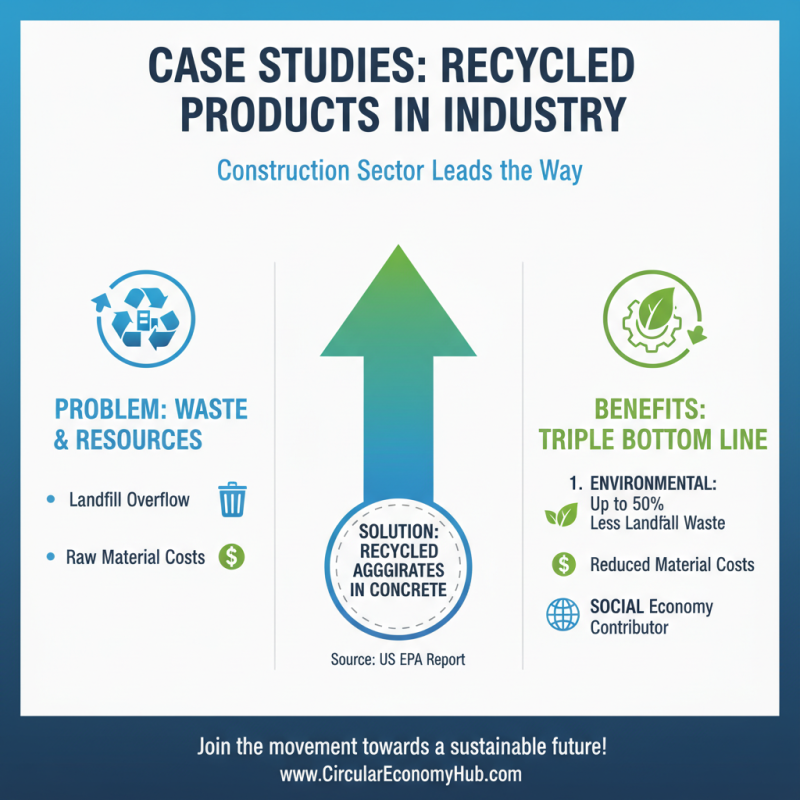
Industries are increasingly recognizing the potential of recycled products. For instance, the construction sector has effectively integrated recycled materials. According to a report by the U.S. Environmental Protection Agency, using recycled aggregates in concrete can reduce landfill waste by up to 50%. This not only lowers environmental impact but also cuts costs. Companies reduce spending on raw materials while contributing to a circular economy.
Another notable case is in the textile industry. Recycling used fabrics can create new garments, minimizing waste. The Ellen MacArthur Foundation states that the fashion industry could save $500 billion annually through recycling initiatives. While these practices show promise, they also bring challenges. Not all recycled materials maintain the same quality as new ones. Companies must ensure that their products meet industry standards to gain consumer trust.
Moreover, some industries struggle to adopt recycled materials due to existing supply chains and production methods. Transitioning requires time and investment. For every success story, there are lessons to learn. Balancing environmental benefits with economic viability remains a challenge, yet the potential advantages cannot be ignored.