Best Ways to Recycle Plastic at Home Efficiently?
In today's world, the challenge of plastic waste is significant. Many households are looking to find effective ways to recycle plastic at home. Sustainability expert, Dr. Ellen Greenfield, emphasizes the importance of this effort. She states, "Every small action counts when we recycle plastic at home."
The recycling process can seem overwhelming. Sorting plastics requires knowledge of different types, and not all plastics are recyclable. Many people mistakenly throw non-recyclable plastics in the bin, leading to contamination. It's essential to understand what can and cannot be recycled. Overcoming this confusion is critical for successful recycling.
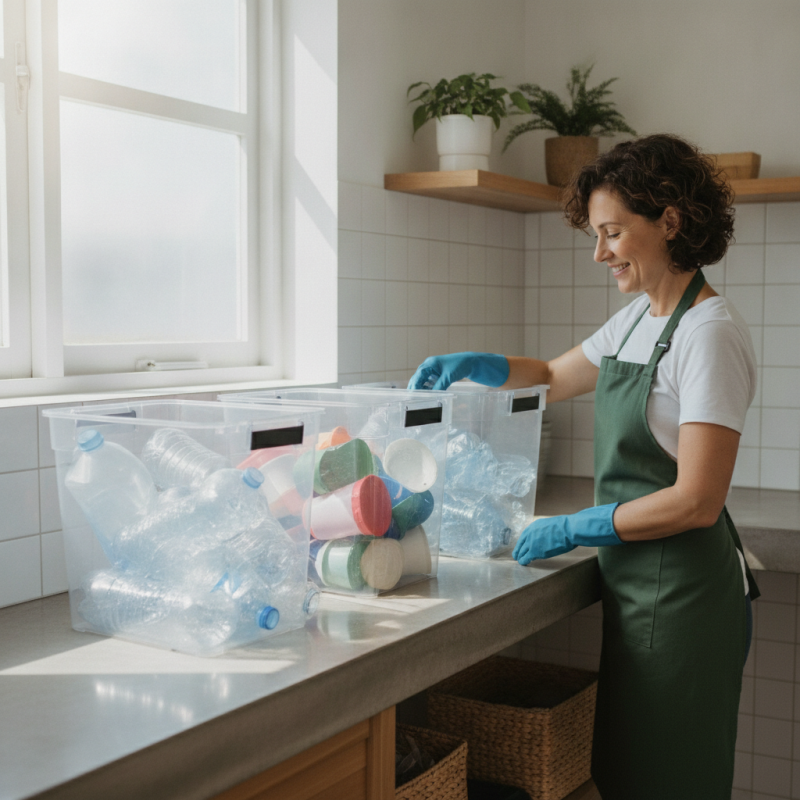
Creating a system at home can simplify the process. Clear bins for each type of plastic and regular reminders help maintain focus. However, it’s common to find ourselves drifting back into old habits. Revisiting and refining our methods is necessary. In doing so, we contribute to a cleaner environment and promote sustainability in our communities.
Best Practices for Sorting Plastic Waste at Home
Sorting plastic waste at home is crucial for effective recycling. Over 300 million tons of plastic are produced each year, yet only 9% is recycled successfully. This daunting statistic highlights the challenge that many households face. To ensure you contribute positively, follow some best practices.
One effective method is to separate plastics by type. Look for recycling symbols on containers which indicate the material. Types 1 (PETE) and 2 (HDPE) are widely accepted in most municipal recycling programs. However, types 3 through 7 may require special handling. Keep a designated bin for each type. This makes it easier for recycling facilities to process your waste correctly.
Here are a couple of tips: Rinse out food containers to eliminate residues. This prevents contamination, which can lead to entire bales of recyclables being discarded. Also, flatten plastic bottles and containers to save space. While these actions seem minor, they play a significant role in the efficiency of recycling systems.
Remember, not all plastics can be recycled. Items like plastic bags and polystyrene foam often cannot be processed together with standard recyclables. Regularly check local guidelines to stay updated on what can and cannot be recycled in your area. This awareness can greatly enhance your sorting efforts and reduce plastic waste effectively.
Understanding Plastic Types and Their Recyclability
Understanding the various types of plastic is crucial for efficient recycling at home. Plastics are categorized into several types, each with distinct properties and recyclability. For example, polyethylene terephthalate (PET) is commonly found in water bottles. It is highly recyclable, often turned into new containers or fibers for clothing. On the other hand, polystyrene, or Styrofoam, is less frequently recycled and often ends up in landfills.
It’s essential to check recycling symbols on products. Many households may overlook or misunderstand the significance of these symbols. Type 1 and Type 2 plastics are generally accepted in most recycling programs. However, Type 3 through Type 7 can vary by location. This inconsistency can lead to confusion, making it harder to recycle properly. Plastic film also deserves attention; it often cannot be recycled in curbside bins but can sometimes be taken to special drop-off locations.
Home recycling efforts can be more effective with small changes. Cleaning the plastic before recycling is necessary, yet many neglect this step. Contamination reduces the quality of the recycled material. Furthermore, keeping plastics clean and sorted can help local facilities process them better. Remembering these details can elevate your recycling game and help reduce plastic waste in the environment.
Innovative DIY Recycling Projects for Household Plastics
Turning household plastics into useful items can be rewarding and sustainable. One innovative project is creating plant pots from plastic bottles. Simply cut the bottle in half, make drainage holes at the bottom, and paint or decorate it to match your home décor. These pots can house herbs, flowers, or succulents. It’s a fun project, yet some find it challenging to get the cutting just right. Practice makes perfect.
Another idea is crafting a plastic bag holder from an empty tissue box. Remove the top of the box, and fill it with plastic bags. You can pull bags out easily when needed. Some may struggle with the design, leading to an overflow of bags. Experiment with various box sizes and shapes for a better fit.
Creating art from plastic can also be satisfying. Use old lids to make colorful wall art or custom coasters. This process can be time-consuming, requiring patience and creativity. But the final product can be a quirky conversation starter in your living space. Embrace imperfections in your creations; each piece has a story and represents your effort in recycling.
Best Ways to Recycle Plastic at Home Efficiently
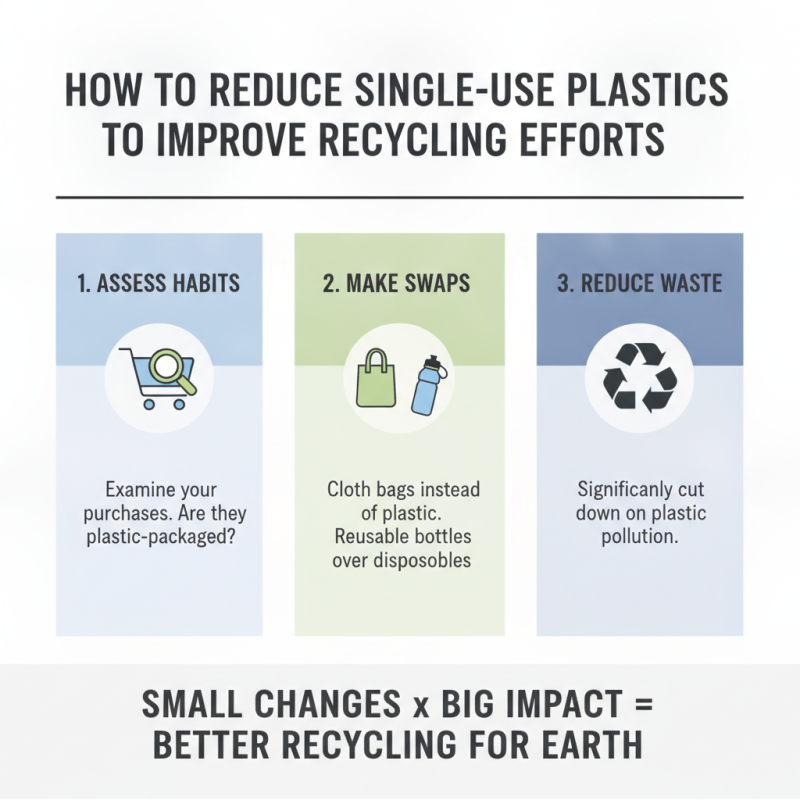
How to Reduce Single-Use Plastics to Improve Recycling Efforts
Reducing single-use plastics is vital for improving recycling efforts. Start by assessing your consumption habits. Are you buying items packaged in plastic? Simple changes can make a difference. Opt for cloth bags over plastic ones. Instead of bottled water, use a reusable container. These steps can lead to significant reductions in plastic waste.
When shopping, look for alternatives. For instance, choose loose fruits and vegetables instead of pre-packaged ones. Consider using glass or metal containers for food storage. These not only last longer but also minimize reliance on single-use plastics. Be mindful of your choices, as every bit counts.
Moreover, be conscious of your community's recycling guidelines. Not all plastics are recyclable. Educate yourself on what can and cannot be recycled. This knowledge will help you make better decisions and reduce contamination in recycling streams. Reflect on your daily habits. Small adjustments can create a ripple effect for a greener future.
Local Recycling Guidelines: Knowing What You Can Recycle Efficiently
Understanding local recycling guidelines is crucial for effective plastic recycling at home. Each community has specific rules about what can and cannot be recycled. For instance, some areas accept certain types of plastic containers, while others do not. Identifying your local waste management authority's guidelines is the first step. Visit their website or reach out to them for accurate and updated information.
Many people throw plastics into recycling bins without knowing if they are accepted. This can contaminate whole batches of recyclables, leading to more waste. For example, not rinsing food containers can cause issues. In addition, items like plastic bags often require separate handling and may not belong in your home recycling bin. It’s essential to learn the symbols and numbers on plastic items, as they indicate recyclability.
Home recycling can also benefit from organizing your materials. Separate recyclables from non-recyclables in designated bins. This not only makes the process easier but also encourages mindful consumption. However, remember that recycling is just one avenue. Reducing and reusing plastic should come first. Reflecting on how much plastic we use daily can spark meaningful change for both individual households and the environment.
Best Ways to Recycle Plastic at Home Efficiently
| Plastic Type |
Recyclability |
Local Guidelines |
Best Practices |
| PETE (1) |
Widely Recyclable |
Check local stores for drop-off points |
Rinse and dry before recycling |
| HDPE (2) |
Easily Recyclable |
Accepted in curbside recycling |
Remove labels and caps |
| PVC (3) |
Difficult to Recycle |
Not commonly accepted |
Consider alternatives if possible |
| LDPE (4) |
Limited Recyclability |
Check for local drop-off options |
Reuse if possible |
| PP (5) |
Somewhat Recyclable |
Look for specific recycling programs |
Clean thoroughly before recycling |
| PS (6) |
Not Recyclable |
Generally disposed of as trash |
Consider reducing use |
| Other (7) |
Varies by type |
Check with local guidelines |
Use cautiously, prefer recyclable options |