What is the Future of Recycled Plastic Bags in Global Trade?
The future of recycled plastic bags in global trade raises essential questions for sustainability. As concerns about plastic pollution grow, businesses and consumers alike are seeking alternatives. Recycled plastic bags offer a viable solution. They help reduce waste and promote a circular economy, yet challenges persist.
Many countries are implementing stricter regulations on plastic. This affects the production and distribution of recycled plastic bags. It raises doubts about their viability in global markets. Not all recycled materials meet safety standards, leading to hesitancy among manufacturers. The market also fluctuates, influenced by economic conditions and recycling technologies. These factors create uncertainty that stakeholders must navigate.
Innovations in recycling methods could enhance the quality of recycled plastic bags. As technology improves, more companies may invest in this green solution. Additionally, public awareness plays a critical role. Consumers are becoming more conscious of their environmental impact. However, recycling infrastructure varies significantly across regions. Collaboration is vital for a more sustainable future for recycled plastic bags in global trade.

The Current State of Global Trade in Recycled Plastic Bags
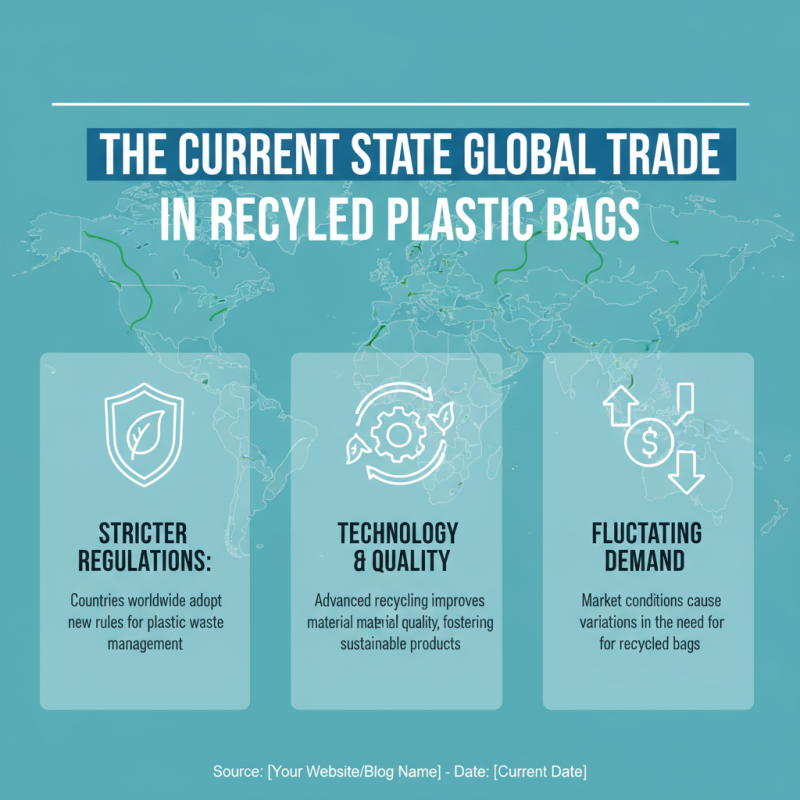
The global trade in recycled plastic bags has seen notable shifts in recent years. Many countries are now integrating more stringent regulations to manage plastic waste. As recycling technology advances, the quality of recycled materials improves. This opens opportunities for manufacturers to create more sustainable products. Yet, the demand for recycled plastic bags often fluctuates due to market conditions.
Tips: Always research local regulations before engaging in recycled plastic trade. Understanding these laws can prevent costly mistakes.
Despite the growing market for recycled materials, there are still challenges. Not all countries have the infrastructure to properly process recycled plastics. This leads to inconsistencies in supply. There are ethical concerns as well. Some nations export their waste to avoid dealing with it domestically. In doing so, they may bypass important environmental responsibilities.
Tips: Collaborate with local recycling facilities for better insights. This relationship can yield valuable information.
Consumer awareness is crucial in this landscape. As demographics shift, the demand for eco-friendly options rises. Yet, many consumers are unaware of how plastic recycling works. Education on the benefits and processes is key to driving positive change within the industry.
Economic Implications of Recycled Plastic Bag Trade on the Environment
The future of recycled plastic bags in global trade hinges on their economic implications for the environment. The increasing demand for sustainability has led many companies to explore alternative materials and waste management strategies. However, the recycling process for plastic bags is not flawless. The energy required to recycle these bags often offsets their environmental benefits.
Despite this, the trade of recycled plastic bags presents opportunities for economic growth. Developing nations can establish recycling facilities, creating jobs while reducing waste. Yet, these initiatives often face challenges. Limited technology and inadequate infrastructure hinder effective recycling systems. Without proper investment and support, the environmental advantages remain elusive.
The complexities of global trade raise questions about responsibility. Countries exporting plastic waste may shift the burden onto others. This often leads to environmental degradation in less developed nations. The benefits of recycled plastic bags must be weighed against these real challenges. Sustainable practices in recycling demand ongoing reflection and commitment from all stakeholders involved.
What is the Future of Recycled Plastic Bags in Global Trade? - Economic Implications of Recycled Plastic Bag Trade on the Environment
| Country |
Annual Recycled Plastic Bag Usage (Metric Tons) |
Recycling Rate (%) |
Environmental Impact (CO2 Emissions Reduced - Metric Tons) |
Economic Value (Million USD) |
| USA |
150,000 |
20 |
500,000 |
300 |
| Germany |
100,000 |
30 |
300,000 |
200 |
| China |
200,000 |
15 |
400,000 |
250 |
| Brazil |
120,000 |
25 |
250,000 |
150 |
| India |
80,000 |
10 |
100,000 |
50 |
Regulatory Policies Affecting Recycled Plastic Bags in International Markets
The landscape of recycled plastic bags in global trade is evolving rapidly due to regulatory pressures. Governments are intensifying restrictions on single-use plastics. A report from the Global Plastics Alliance indicates that 86% of countries now have some form of regulation on plastic bags. This trend forces companies to rethink their production strategies. Compliance with these regulations becomes a priority.
The adoption of recycled plastic bags varies across regions. Europe leads with a recycling rate of 41%, according to Eurostat. In contrast, regions like Asia lag, showing rates as low as 15%. Regulatory initiatives aim to bridge this gap. Countries are enforcing stringent measures to increase recycling allocations. Yet, there is criticism about the effectiveness of recycling technologies. The recycling infrastructure needs updates to meet incoming challenges.
The future of recycled plastic bags depends heavily on continuous regulatory adaptations. These regulations will shape international market dynamics. Companies must embrace transparency regarding their recycling processes. The success of recycled plastic bags in trade hinges on this collaboration. Awareness and implementation of best practices are crucial in this ongoing transition.
Technological Innovations Impacting the Recycling of Plastic Bags
The future of recycled plastic bags in global trade stands at a crossroads due to technological advancements. Innovative processes can now break down plastic bags more efficiently. Machines capable of separating various types of plastics are emerging. They can sort, shred, and process plastic waste with minimal human intervention. This technology has the potential to increase recycling rates significantly.
However, challenges remain. Many recycling facilities still struggle with contaminated waste streams. Some plastic bags are not recyclable due to their composition. These hurdles hinder the effectiveness of new technologies. Additionally, public awareness is crucial. Consumers often lack knowledge about proper disposal methods. As a result, many recyclable plastic bags end up in landfills.
Research into biodegradable alternatives is ongoing. Scientists are exploring materials that can mimic plastic’s durability. Yet, these materials still face scrutiny regarding their environmental impact. Overall, the recycling of plastic bags presents a complex dilemma. There is hope, but growth requires collaboration and innovation in technology and public education.
Future Trends in Consumer Preferences for Recycled Plastic Products
The future of recycled plastic products is shaping up significantly as consumer preferences evolve. Studies show that 64% of consumers prefer brands that use recycled materials. This trend indicates a shift towards sustainability in purchasing decisions. The demand for recycled plastic bags is expected to rise, with the global recycled plastic market projected to reach $48.18 billion by 2027. This reflects a growing awareness of environmental impacts.
One challenge lies in the perception of recycled materials. Many consumers still hesitate to choose recycled products due to concerns about quality and durability. This underlines the importance of education and transparency in the industry. Industry experts recommend showcasing how recycled bags meet or exceed the performance of virgin plastic. Brands that communicate these details effectively can gain consumer trust.
Tips: Always look for certifications that verify recycled content. Understand that not all used plastic is created equal. Support initiatives that advocate for higher recycled content standards. This supports a more sustainable economy while also shaping future trends in consumer preferences.
Future Trends in Consumer Preferences for Recycled Plastic Products