Why Is Plastic Waste Recycling Important for Our Planet?
Plastic waste recycling is critical for environmental health. Each year, millions of tons of plastic end up in landfills and oceans. This pollution harms wildlife and ecosystems. It also contributes to climate change through greenhouse gas emissions.
Recycling plastic waste can significantly reduce this impact. It transforms discarded materials into new products. This process conserves energy and decreases the need for virgin materials. However, many people still do not recycle properly. Contamination of recycling streams is common, making it difficult to recycle effectively.
The importance of plastic waste recycling cannot be overstated. It is a crucial step toward sustainability. Each individual's effort matters. But we must reflect on our habits and improve them collectively. The challenge is immense, but the goal is clear: protect our planet for future generations.
The Environmental Impact of Plastic Waste on Our Planet
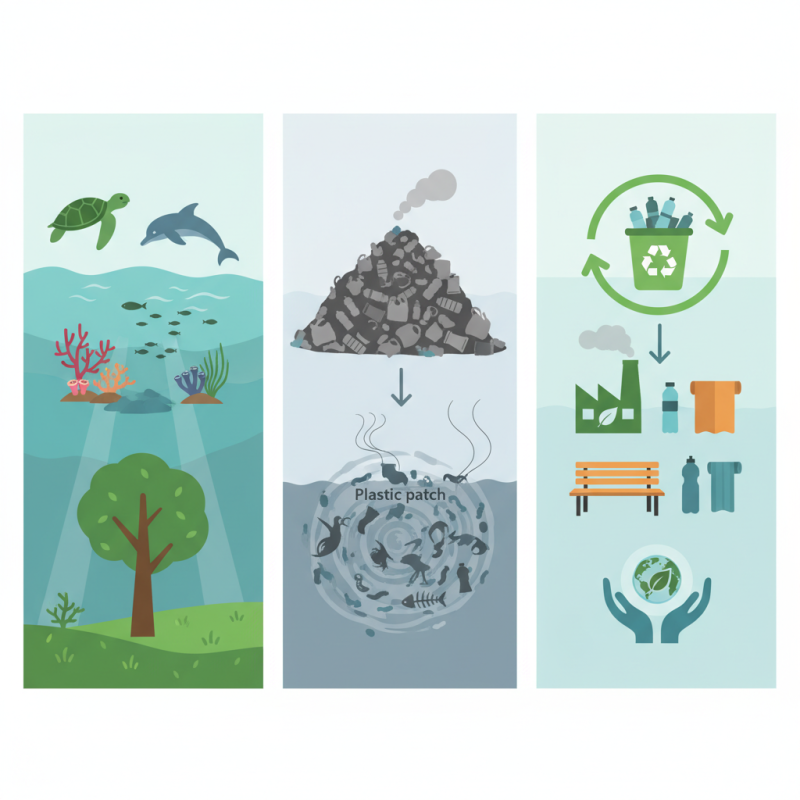
Plastic waste has a profound impact on our planet. Over 300 million tons of plastic are produced each year, with a significant portion ending up in landfills and oceans. Studies show that nearly 8 million tons of plastic waste leak into our oceans annually. This pollution harms marine life, disrupting ecosystems. Sea turtles mistake plastic bags for jellyfish, leading to fatal consequences. The detrimental effects extend to humans as well; microplastics have been found in our food and drinking water.
Recycling plastic is vital to mitigate these impacts. According to estimates, recycling one ton of plastic can save 1,000 to 2,000 gallons of gasoline. Only 9% of plastic waste is ever recycled. This alarming statistic highlights systemic issues in waste management. Many people lack awareness of recycling procedures, and the infrastructure is often inadequate. Moreover, contamination in recycling bins complicates the process.
While initiatives exist to improve recycling rates, challenges remain. The world produced about 367 million tons of plastic in 2020, yet the recycling rate has stagnated. There’s a growing need for education and better technology. Only through collective action and innovation can we hope to reduce plastic waste's environmental footprint. Each step toward recycling counts, but much work lies ahead.
Environmental Impact of Plastic Waste Recycling
Benefits of Recycling Plastic Waste for Ecosystems
Recycling plastic waste plays a crucial role in protecting our ecosystems. Every year, millions of tons of plastic end up in oceans and forests. This waste harms wildlife and disrupts natural habitats. Sea turtles mistake plastic bags for jellyfish. Birds consume plastic debris, mistaking it for food. Such incidents highlight the danger plastic poses to wildlife.
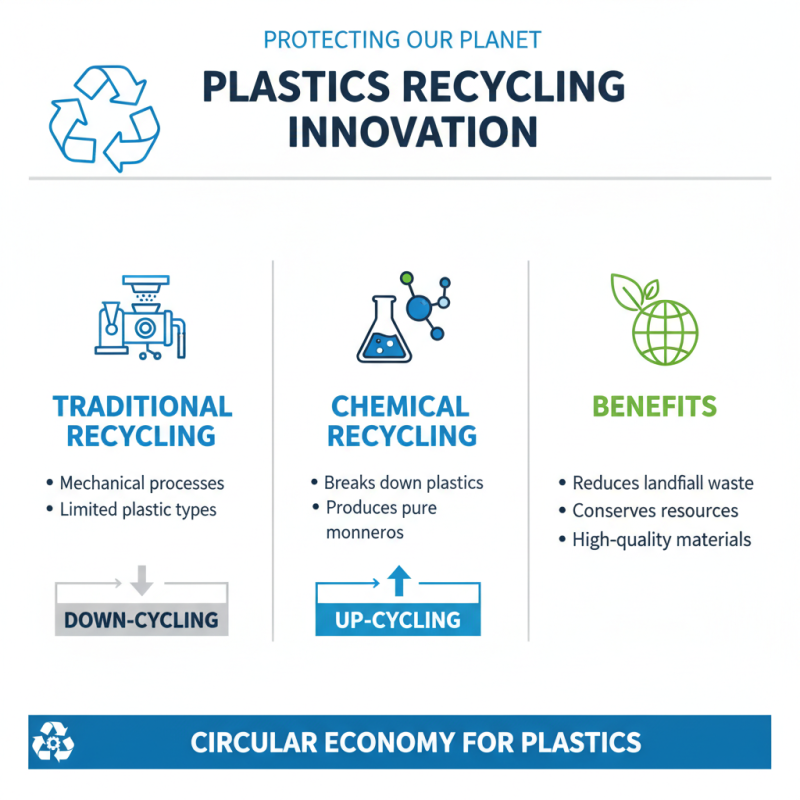
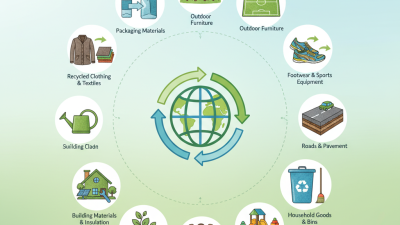
When we recycle plastic, we reduce the amount of new plastic produced. This decreases pollution created during manufacturing. Less pollution means cleaner air and water for both humans and wildlife. Additionally, recycled plastic can be transformed into new products. Items like clothing, furniture, and even new containers can emerge from old plastic. This creates a circular economy, reducing the overall demand for raw materials.
However, the recycling process has inefficiencies. Not all plastic gets recycled due to contamination. For example, greasy pizza boxes or dirty bottles can spoil entire batches. Some people still hesitate to recycle due to confusion about what is recyclable. Education and awareness are vital to improve these problems. We need to reflect on our consumption and recycling habits. Small changes can lead to a healthier planet for all living beings.
Why Is Plastic Waste Recycling Important for Our Planet? - Benefits of Recycling Plastic Waste for Ecosystems
| Benefit |
Description |
Impact on Ecosystems |
| Reduces Pollution |
Recycling plastic waste helps to decrease environmental pollutants that harm wildlife. |
Healthy ecosystems and biodiversity. |
| Conserves Resources |
Recycling leads to less reliance on raw materials, conserving natural resources. |
Sustainable resource management. |
| Reduces Energy Consumption |
Manufacturing recycled plastic uses significantly less energy compared to new plastic production. |
Lower carbon footprint and reduced greenhouse gas emissions. |
| Promotes Circular Economy |
Encourages the recycling and repurposing of materials, leading to less waste. |
Supports sustainable ecosystems and economic growth. |
| Creates Jobs |
The recycling industry generates numerous jobs in collection, processing, and sales. |
Enhances community well-being and economic stability. |
Economic Advantages of Plastic Recycling for Communities
Plastic recycling plays a crucial role in boosting local economies. Studies show that recycling activities generate over 1.17 million jobs in the United States. These positions range from collection to processing to resale. Each job contributes to community development and offers growth opportunities.
Moreover, recycling can reduce costs for local governments. A report by the Environmental Protection Agency indicates that recycling programs can lower waste management expenses by 37%. This allows municipalities to allocate funds to other essential services. Invested wisely, these savings enhance public facilities and improve quality of life.
However, challenges persist. Recycling contamination is an issue that affects overall efficiency. Many recyclable plastics end up in landfills, which reduces potential economic benefits. Communities can benefit by educating residents on proper recycling practices. Awareness fosters a recycling culture, leading to better resource recovery. The environmental impact is undeniable; reducing plastic waste contributes to sustainable economic growth.
Challenges and Future Prospects of Plastic Waste Management
Plastic waste management faces significant challenges. Many recycling systems are not efficient. Contamination of materials complicates the process. Often, plastics end up in landfills or oceans instead of being recycled. This leads to environmental degradation. The burden on our planet worsens as these materials take centuries to decompose.
Innovative approaches are needed. Education is key; people need to understand what is recyclable. Local governments should improve collection systems. Engagement in community clean-up events could raise awareness. Awareness about the proper separation of recyclables is crucial.
Tips: Start by reducing plastic usage. Opt for reusable bags and containers. Small actions can lead to a bigger impact. Encourage friends and family to join in. Together, we can make a positive difference. Recycling won't be a solution if the waste is not managed properly. It’s a collective responsibility that requires ongoing effort and reflection.