What is a Plastic Recycling Factory and How Does it Work?
A plastic recycling factory plays a crucial role in managing waste and promoting sustainability. By processing discarded plastics, these facilities aim to reduce landfill overflow and conserve natural resources. The operation begins with collecting plastic waste, which undergoes sorting to separate different types. This attention to detail ensures efficient recycling and minimizes contamination.
Inside a plastic recycling factory, machines shred and wash the materials. Shredded plastic is then melted and formed into pellets. These pellets serve as raw materials for creating new plastic products. This process not only lessens environmental impact but can also reduce production costs. However, challenges persist. Not all plastics are easily recyclable, and contamination remains a significant issue.
The importance of plastic recycling cannot be overstated. A plastic recycling factory embodies innovation, but its efficiency relies on community participation. Education on proper recycling practices is essential. Reflecting on our habits can lead to improvement in waste management. Ultimately, the success of these factories depends on collaborative efforts to foster a sustainable future.
What is a Plastic Recycling Factory?
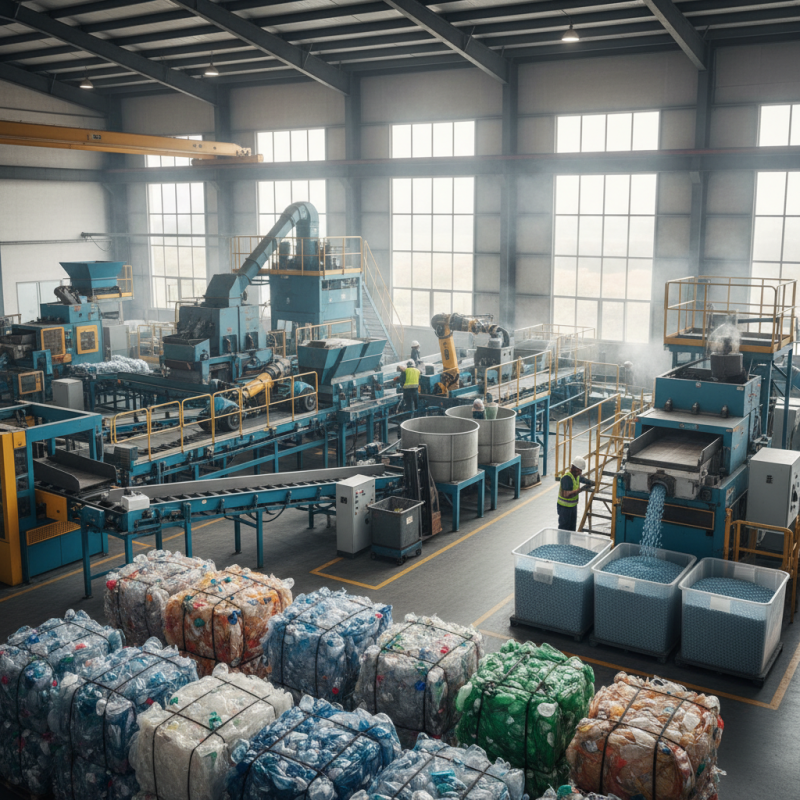
A plastic recycling factory is a specialized facility dedicated to processing plastic waste into reusable materials. These factories play a crucial role in waste management and sustainability. According to the National Association for PET Container Resources, about 29% of PET plastic bottles were recycled in 2021. This statistic highlights an area needing improvement in recycling efforts.
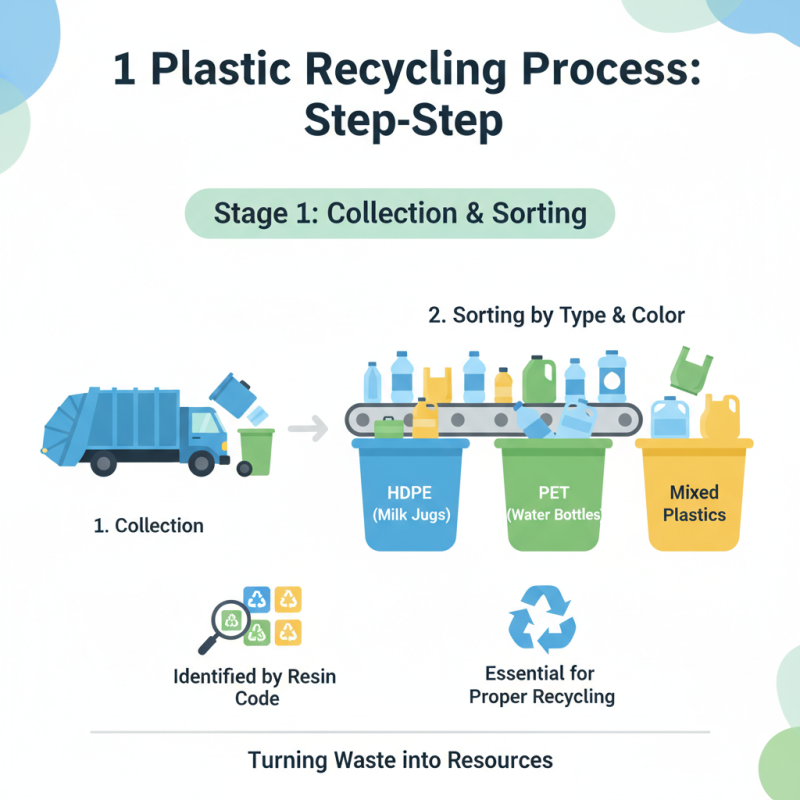
Inside these factories, the recycling process begins with collecting and sorting plastics by type. Workers and machines separate materials like PET, HDPE, and PVC. Each type requires different recycling techniques. After sorting, plastics are cleaned and ground into flakes. These flakes can then be melted down and reformed into new products.
Tip: If you wish to contribute to plastic recycling, start by properly sorting your waste at home. Clean your containers and ensure no residues remain. This small action can significantly improve the recycling process.
Despite advances in technology, many challenges remain. Contamination often occurs, decreasing the value of recyclables. Education on proper disposal is essential to minimize these issues. The recycling industry continues to evolve, with ongoing research aiming to improve efficiency and quality. More awareness can lead to higher recycling rates and a more sustainable future.
Key Components and Machinery Used in Plastic Recycling
Plastic recycling factories play a crucial role in reducing waste and conserving resources. These facilities utilize various machinery to transform used plastics into reusable materials. Key components include shredders, extruders, and granulators. Shredders break down the plastic into smaller pieces, making it easier to process. The Global Plastic Recycling Market Report indicates that effective shredding can lead to a reduction in waste by 30% or more.
Extruders are vital for melting the plastic and forming it into new shapes. They apply heat and pressure, enabling the material to flow and be molded. The American Chemistry Council reports that with proper machinery, recycling efficiency can reach up to 90%. Granulators further process the material, cutting it into uniform granules that are ready for manufacturing new products.
While the recycling process seems efficient, challenges remain. Contamination of plastics affects the quality of recycled material. A report by the Environmental Protection Agency highlights that up to 25% of processed plastics can become unusable due to impurities. Striking a balance between efficiency and quality is essential for the industry’s growth. Continuous innovation in machinery and technology is needed to address these issues effectively.
The Plastic Recycling Process: Step-by-Step
Recycling plastic is a crucial step in sustainability. The plastic recycling process involves several key stages that help to transform waste materials into new products. Initially, collected plastic waste is sorted based on type and color. This sorting is vital as different plastics have unique properties and recycling methods.
Next, the sorted plastics undergo cleaning to remove contaminants. This process often involves washing to eliminate dirt, labels, and residues. Contamination can hinder the recycling process. Once cleaned, the plastics are shredded into smaller pieces. This makes them easier to handle in the next steps.
The shredded plastic is then melted and formed into pellets. These pellets serve as the raw material for creating new plastic products. It’s essential that this process is done with precision. Excessive heat can degrade the quality of the plastic.
Tips for effective recycling at home include rinsing containers before disposal. Even small amounts of residue can disrupt recycling efforts. Also, check local guidelines on recycling to ensure you’re following the right procedures. Lastly, consider reducing plastic use in daily life. This can lessen the burden on recycling facilities. The journey of plastic recycling is complex, but every step counts toward a more sustainable future.
Challenges Faced by Plastic Recycling Factories
Plastic recycling factories face numerous challenges that hinder efficiency and effectiveness. First, the quality of collected plastic materials often varies greatly. Contamination from food residues or mixed plastics complicates the recycling process. This inconsistency leads to lower-quality recycled products. It is a persistent issue that requires ongoing education for consumers.
Labor shortages also impact these factories. Many regions struggle to attract workers for manual sorting and processing tasks. This labor gap can slow down production and reduce recycling rates. Moreover, the technological advancements needed to automate processes are expensive, limiting many factories' capabilities. As a result, some facilities remain underutilized or inefficient.
Regulatory hurdles pose another challenge. Government policies can change, leading to confusion about compliance. Some factories find it hard to keep up with evolving environmental standards. This uncertainty affects their operations and planning. Addressing these challenges requires innovation and collaboration within the industry. More systematic approaches are essential for enhancing the overall effectiveness of plastic recycling efforts.
Environmental Impact and Benefits of Plastic Recycling
Plastic recycling has significant environmental impacts and substantial benefits. By converting waste into reusable materials, recycling reduces landfill use and conserves natural resources. It saves energy compared to producing new plastic from raw materials. For instance, recycling saves up to 80% energy for certain plastics. This process helps lower carbon emissions and combat climate change.
However, the recycling process is not without its flaws. Contamination of recyclable materials can lead to inefficiencies. Often, consumers are unsure about what can be recycled, leading to confusion and improper disposal. It highlights the need for better public education on recycling practices.
Tip: To improve recycling at home, rinse containers before recycling them. This simple act reduces contamination. Additionally, be mindful of local guidelines; they may vary by location.
The plastic recycling industry also generates jobs and promotes economic growth. It creates a circular economy that benefits communities. However, advanced technologies and funding are needed to enhance this system further.
Tip: Consider reducing plastic use entirely. Small changes, like using reusable bags, can make a difference. Your efforts contribute to a healthier planet.