Top 10 Eco Plastic Innovations Every Buyer Should Know?
As environmental concerns grow, the demand for eco plastic innovations intensifies. Reports indicate that the global market for biodegradable plastics is expected to reach $25 billion by 2027, driven by heightened consumer awareness. Eco plastic represents a shift towards sustainability in packaging, automotive, and consumer goods.
Yet, despite advancements, challenges remain. Many eco plastic products are still costly to produce and often lack performance compared to traditional plastics. Additionally, misinformation about their biodegradability can mislead consumers. It's essential for buyers to have clarity on the various eco plastic innovations available today.
Understanding these developments can empower consumers to make informed decisions. By prioritizing eco-friendly products, we contribute to a healthier planet. As we explore the top 10 eco plastic innovations, we recognize both the strides made and the obstacles that continue to hinder progress.

The Rise of Eco-Friendly Plastics: An Overview
The movement towards eco-friendly plastics is gaining momentum. As environmental concerns rise, innovations in materials are becoming essential. These alternatives aim to reduce dependence on conventional plastic. Many solutions are derived from natural resources, like corn and sugarcane. Such innovations can significantly minimize ecological footprints.
Transitioning to sustainable plastics isn’t flawless. There are challenges in production processes. Some materials still require extensive energy. Biodegradable plastics can also struggle with effective degradation in landfills. Understanding these flaws is crucial for consumers. It's important to ask questions about the lifecycle of these products.
Advancements in eco-friendly plastics continue to emerge. Scientists are exploring various organic compounds to create better materials. The journey towards fully sustainable options is ongoing. Every choice made today could contribute to a cleaner future. Therefore, consumers should remain informed and engaged in this evolving landscape.
Biodegradable Plastics: The Future of Waste Management
Biodegradable plastics represent a significant breakthrough in addressing our waste management crisis. These innovative materials break down naturally, unlike traditional plastics. They help reduce the burden on landfills and decrease pollution in oceans and streets. Everyday items like bags and cups can now be made from these eco-friendly alternatives.
Tips: When choosing biodegradable products, look for certifications that ensure they meet environmental standards. This guarantees proper degradation processes. Always check disposal guidelines, as some products require industrial composting facilities.
While biodegradable plastics offer promise, challenges remain. Some materials do not decompose as expected under certain conditions. Awareness is crucial when using these products. Consumers should understand local waste management policies to maximize the benefits. Educating ourselves helps build sustainable habits.
Tips: Consider carrying reusable bags to complement biodegradable options. Mix and match your habits for a greater impact. Small changes lead to meaningful results, and every action counts.
Innovative Recycling Techniques Transforming Plastic Use
Innovative recycling techniques are reshaping the landscape of plastic usage today. With over 300 million tons of plastic produced annually, efficient recycling is crucial. Traditional recycling methods often overlook 70% of plastic waste. New technologies now aim to tackle this challenge effectively.
Chemical recycling is gaining traction. This process breaks down plastics into their core components, enabling the creation of new products. The Recycling Partnership reports that this technique could increase recycling rates by up to 50%. Additionally, innovations in enzymatic recycling show promise. Specific enzymes can digest plastic materials, converting them into usable raw materials, significantly reducing landfill contributions.
Biodegradable plastics also deserve attention. A study by the Ellen MacArthur Foundation indicates that biodegradable options can mitigate long-term environmental impact. However, these materials require specific conditions to degrade, highlighting the need for proper disposal and consumer awareness. Not every innovation is perfect; challenges remain in scalability. Overall, the advancements in recycling techniques are essential to progressing toward a more sustainable approach to plastic use.
Plant-Based Plastics: Sustainable Alternatives to Traditional Materials
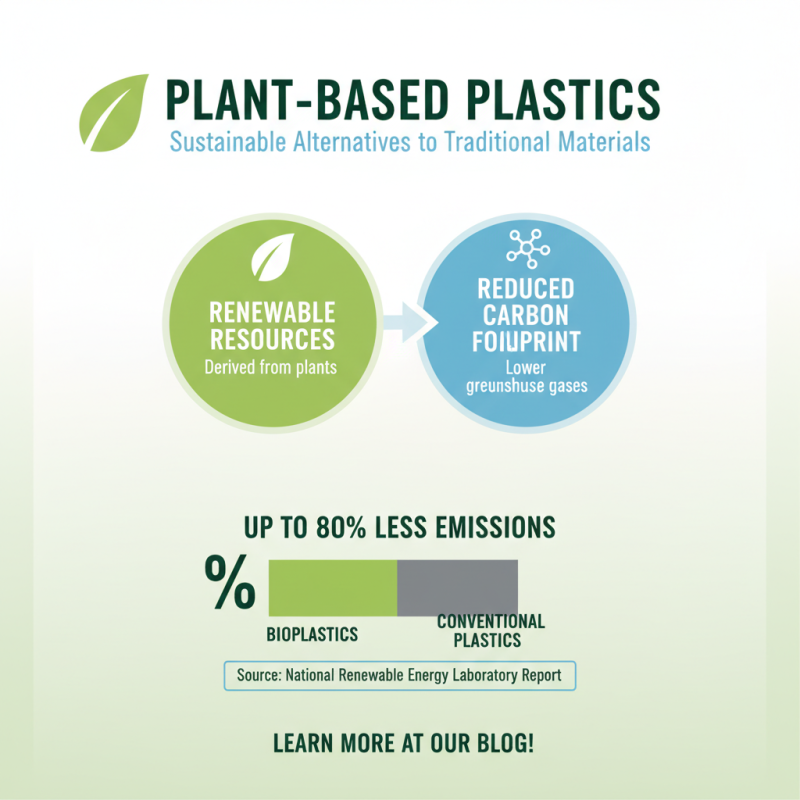
Plant-based plastics are emerging as vital alternatives to traditional petroleum-based materials. These sustainable plastics, derived from renewable resources, are essential in reducing our carbon footprint. According to a report from the National Renewable Energy Laboratory, using bioplastics could reduce greenhouse gas emissions by up to 80% compared to conventional plastics.
One promising aspect of plant-based plastics is their biodegradability. Many of these materials can break down within a few months in commercial composting facilities. This significantly reduces environmental impact compared to traditional plastics, which can take hundreds of years to decompose. However, not all plant-based options are the same; some still require fossil fuels for production. It's crucial to research and choose reliable suppliers.
Tips: Look for certifications when selecting sustainable products. Certifications ensure that the materials used meet certain environmental standards. Be skeptical of vague claims; transparency is key. It’s also wise to consider the end-of-life scenario for any product you purchase. Will it biodegrade? Or will it remain in the environment for generations? Every choice counts in our journey toward sustainability.
Smart Packaging Solutions: Reducing Plastic Footprint in Ecommerce
The rise of e-commerce has led to a surge in plastic waste. However, innovative smart packaging solutions are emerging. These solutions aim to reduce the plastic footprint significantly. Many businesses are now exploring biodegradable and compostable materials. This shift is crucial for sustainability in online shopping.
Packaging that tracks and monitors products is becoming popular. Smart labels provide data on the product's lifecycle and ensure responsible disposal. Some companies even use mushroom or seaweed-based materials as alternatives. These innovations showcase a commitment to eco-friendliness.
Yet, challenges remain. Not all consumers understand the benefits of new materials. There can be confusion about disposal methods. Education is essential. We must engage customers in conversations about sustainability. Only together can we make meaningful changes.