
10 Best Skincare Pump Suppliers for Global Buyers
Choosing among the 10 best Skincare Pump suppliers is about more than comparing prices. A pump must match the formula, bottle, filling line, and daily routine. A thick cream may need a different actuator from a light serum. A poor fit can mean drips, uneven doses, or product left trapped inside. Small details matter.
Packaging specialist Alex Morgan offers this guiding principle: “A pump earns trust one consistent dose at a time.” That is a useful way to assess suppliers, though it is not a substitute for testing. Ask for samples, technical specifications, and compatibility data. Check how the pump performs after repeated use, whether its output feels consistent, and how securely it closes during shipping. A polished catalogue is helpful. It is not proof.
This guide compares suppliers through practical questions: material choices, customization, minimum order quantities, production capacity, communication, and quality controls. Global buyers should also consider lead times, sample access, and how clearly a supplier explains its process. A supplier may look strong on paper, yet respond slowly when specifications change. That matters. No single vendor will suit every brand, and some comparisons remain imperfect without hands-on trials. Use the shortlist as a starting point, then test the Skincare Pump with your actual product and packaging before making a large commitment.
Understanding Skincare Pumps and Their Packaging Applications
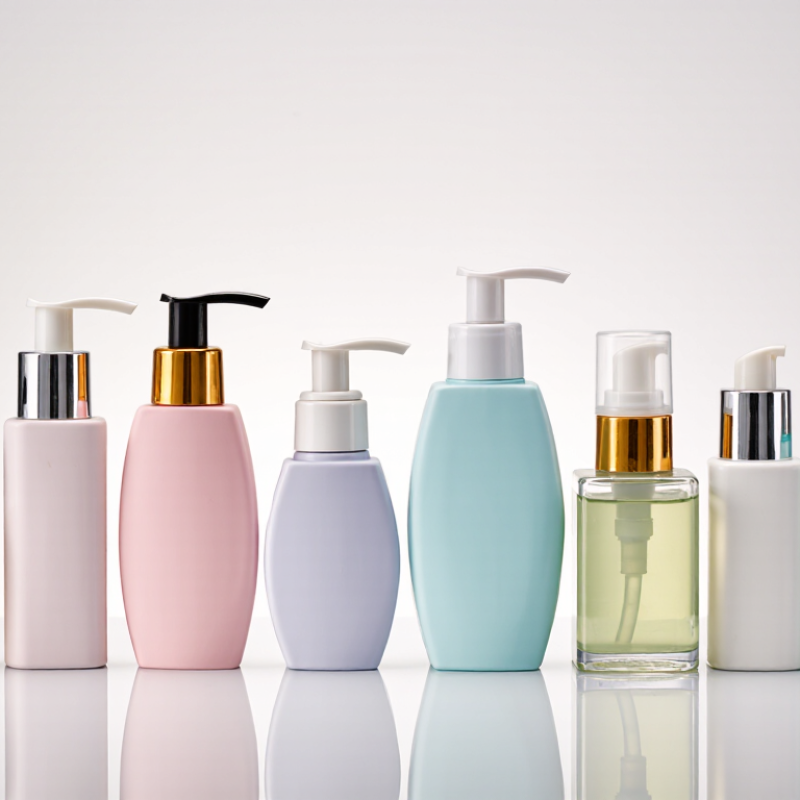
A skincare pump controls how much product reaches the hand and limits contact with the remaining formula. Typical parts include an actuator, dip tube, closure, and sealing components. Lotion pumps suit thicker creams, while fine-mist pumps work better with low-viscosity liquids. Airless systems can help reduce exposure to air, but they require formula-specific testing. The detail matters.
Grand View Research valued the global cosmetic packaging market at USD 34.8 billion in 2023, reflecting strong demand for diverse packaging formats. That figure covers cosmetic packaging overall, not pumps alone. For buyers, pump selection should start with the formula’s viscosity, dispensing dose, and container design. Test repeated strokes, leakage during transport, and whether the dip tube reaches the last usable product. A pump that works in a sample room may behave differently on a filling line. Still, no pump is perfect.
Tip: Request samples filled with your actual formula. Check priming, dose consistency, and closure fit after storage and shipping simulation. Record failures, even small ones; they often reveal a useful design change.
Key Criteria for Evaluating Global Skincare Pump Suppliers
A reliable skincare pump supplier should demonstrate control over dosing, materials, and production consistency. Ask for the pump’s output per stroke and test it with your actual formula. A thick cream may dispense unevenly through a narrow actuator, while a lightweight serum can drip after use. Small details matter.
Check whether the pump components suit your formula, especially where oils, fragrances, or active ingredients may affect seals. Request sample units, dimensional drawings, and documented leak-test results. Confirm how the supplier tracks batches and handles defects. A polished sample is useful, but it cannot prove every production run will match. That gap deserves attention.
Tips: Test pumps upright and on their sides, then check for leakage after shipping simulation. Record dose consistency across several units, not just one. Clarify minimum order quantities, sample timelines, and capacity before approving tooling. Ask how changes to materials or components are communicated. Fit matters. Also, supplier claims can sound reassuring; verify the details in writing and leave room for a second test.
10 Best Skincare Pump Suppliers for Global Buyers - Key Criteria for Evaluating Global Skincare Pump Suppliers
Supplier evaluation scorecard. Suggested weights are a buyer-side framework, not an industry standard; tailor them to the product and market.
| # | Evaluation Criterion | Suggested Weight | What to Verify | Useful Evidence to Request |
|---|---|---|---|---|
| 1 | Product and Packaging Fit | 15% | Confirm pump style, neck finish, dip-tube length, actuator, and container compatibility for the intended skincare product. | Dimensional drawings, component specifications, and samples tested with the intended bottle and formula. |
| 2 | Quality Management and Compliance | 15% | Check documented quality controls, traceability, change management, and the supplier’s ability to provide material and regulatory documentation relevant to the destination market. | Current certificates where applicable, inspection procedures, lot records, material declarations, and audit or assessment information. |
| 3 | Formula Compatibility | 12% | Assess contact materials against the formula’s ingredients, viscosity, and use conditions; check for leakage, swelling, discoloration, or dispensing changes during testing. | Material specifications and a compatibility-test plan using the final formula and production-intent components. |
| 4 | Dispensing Performance | 12% | Verify output per stroke, priming behavior, dose consistency, leakage resistance, and operation with the target formula. | Written output specifications, test method and results, and samples for repeated dispensing and leakage checks. |
| 5 | Customization and Decoration | 10% | Review available colors, finishes, actuator options, printing or labeling processes, tooling needs, and approval stages. | Capability list, color-matching process, decoration samples, tooling ownership terms, and production approval workflow. |
| 6 | Production Capacity and Quality Control | 10% | Determine whether documented capacity, equipment, inspection stages, and contingency planning can support forecast volumes and peak demand. | Capacity statement, process flow, in-process and final inspection plans, and production scheduling assumptions. |
| 7 | MOQ and Total Cost | 8% | Compare minimum order quantities and itemized costs, including tooling, decoration, packaging, samples, and any order-size price breaks. | Written quotation with assumptions, currency, validity period, payment terms, and costs separated by component or service. |
| 8 | Lead Time and Communication | 7% | Clarify sample, tooling, production, and re-order timelines, along with the process for communicating delays or specification changes. | A milestone-based schedule, named points of contact, escalation process, and confirmation of lead-time assumptions. |
| 9 | Export and Logistics Readiness | 6% | Check export documentation experience, shipping terms, carton and pallet details, packaging protection, and the ability to support the buyer’s import requirements. | Packing specifications, sample shipping documents, proposed Incoterms, and confirmation of responsibility for export paperwork. |
| 10 | Material Efficiency and Sustainability | 5% | Review material options, component count, recyclability considerations, and substantiation for any environmental claims; assess compatibility with local recycling systems. | Material breakdown, recycled-content documentation where claimed, design information, and market-specific recyclability guidance. |
| Total Suggested Weight | 100% | Apply the same evidence-based scoring method to each supplier under consideration. | ||
Profiles of 10 Leading Skincare Pump Suppliers
Global buyers assessing skincare pump suppliers should compare dosage consistency, material options, tooling support, and delivery reliability. Grand View Research valued the global cosmetic packaging market at USD 34.3 billion in 2023 and forecast 5.4% annual growth from 2024 to 2030. This is a packaging-wide estimate, not a pump-specific figure. Still, it signals why supplier capacity and technical support deserve close scrutiny.
A practical shortlist might include a high-volume molder focused on standard lotion pumps; an airless-pump specialist for sensitive formulas; a supplier offering recycled-resin components; a glass-and-pump packaging integrator; and a manufacturer with several actuator shapes. Each profile serves a different need. Buyers should request dosage tests and compatibility samples, not rely on catalog claims alone.
Other useful profiles include a custom-tooling partner for distinctive collars; a small-batch producer for pilot launches; a regional supplier with local inventory; a supplier experienced in mono-material designs; and an engineering-led factory with documented quality checks. Small details matter. Ask for cycle-life results, leakage data, and sample lead times. One weakness in many comparisons is overvaluing unit price: a low-cost pump can become expensive when it clogs, leaks, or slows filling lines. These profiles are selection criteria, not endorsements of unnamed companies.
Comparing Supplier Capabilities, Products, and Market Reach
Comparing skincare pump suppliers means checking more than product range. Ask whether a supplier offers lotion pumps, airless systems, and closures in the neck sizes your packaging line uses. Request samples and test dose consistency, leakage, and performance with your actual formula. A pump that works with a light serum may struggle with a thicker cream. Small details matter. Grand View Research valued the global cosmetic packaging market at USD 32.71 billion in 2023 and forecast 5.4% annual growth from 2024 to 2030. That expansion raises the stakes for dependable production capacity, not just attractive samples.
Market reach is practical, too. Compare minimum order quantities, lead times, regional stock, export experience, and the availability of technical support across time zones. Smithers’ report, The Future of Global Packaging to 2028, projected the global packaging market would exceed USD 1.2 trillion by 2028. Broad market growth does not guarantee on-time pump deliveries, though. Ask for quality records, material specifications, and test results for compatibility and output consistency. Check how suppliers handle recycled-content options, since material changes can affect appearance and pump performance. I would not treat a polished sample as proof. That is an easy mistake. Pilot orders and documented checks offer a more useful comparison, even when they slow the purchasing process.
Skincare Pump Supplier Benchmark: Typical Dispensing Output
Compare common pump formats when assessing product fit for global packaging programs.
Representative nominal outputs are shown in milliliters per stroke. Actual specifications vary by model and supplier; confirm dose, compatibility, certifications, minimum order quantities, and shipping markets directly with suppliers.
How to Select a Supplier for Your Packaging Requirements
For global skincare buyers, the right pump supplier must match the formula, bottle, and production schedule—not just offer a low unit price. Grand View Research estimated the global cosmetic packaging market at about US$49.4 billion in 2023, with continued growth projected through 2030. That scale makes consistent quality control essential. Ask suppliers for pump output per stroke, compatibility test results, material specifications, and documented quality checks. Test the actual formula in the intended bottle: a thick cream may dispense unevenly, while a watery serum can leak through a poorly matched closure. Check samples after repeated pressing and storage in different positions. A perfect sample is not a perfect production run.
Tips: Request samples from more than one production batch. Confirm lead times, minimum order quantities, and how defects are handled. If sustainability matters, ask for clear material breakdowns and evidence for recyclability claims. The Ellen MacArthur Foundation’s 2016 New Plastics Economy report found that only 14% of plastic packaging was collected for recycling globally. Design choices matter, but local recycling access matters too. Keep the paperwork.
Before approving a supplier, review its audit records and traceability for key components. Agree on acceptance criteria for leakage, pump function, color, and fit, then record them in the purchase specification. Ask how changes to materials or tooling are communicated. These details can feel tedious. They prevent costly surprises when a small pilot order becomes a large shipment.