Top 10 Uses of Recycled Plastic Bottles for Global Buyers?
Recycled plastic bottles play a crucial role in today’s sustainability efforts. Every year, millions of these bottles are discarded, contributing to global pollution. However, with creativity and innovation, they can be transformed into useful products. This article highlights the top ten uses of recycled plastic bottles, showcasing their versatility and potential.
From building materials to fashion accessories, recycled plastic bottles can be repurposed in many surprising ways. For example, in construction, they can become part of eco-friendly buildings. Artists also find inspiration in these materials, creating stunning pieces of art. These uses demonstrate the importance of recycling for both the environment and the economy.
While the benefits are clear, challenges remain. Not all recycled plastic is created equal. Variability in quality can affect product development. It’s essential for businesses and consumers to understand these aspects. With proper education and commitment, recycled plastic bottles can lead us towards a more sustainable future.
Innovative Applications of Recycled Plastic Bottles in Daily Life
Recycled plastic bottles have found innovative applications in daily life. These bottles are no longer just waste; they serve functional roles in many products. For instance, some companies transform them into high-quality fabric for clothing. This fabric is lightweight and durable, providing an eco-friendly alternative to traditional textiles. Fashion made from recycled materials appeals to environmentally-conscious consumers.
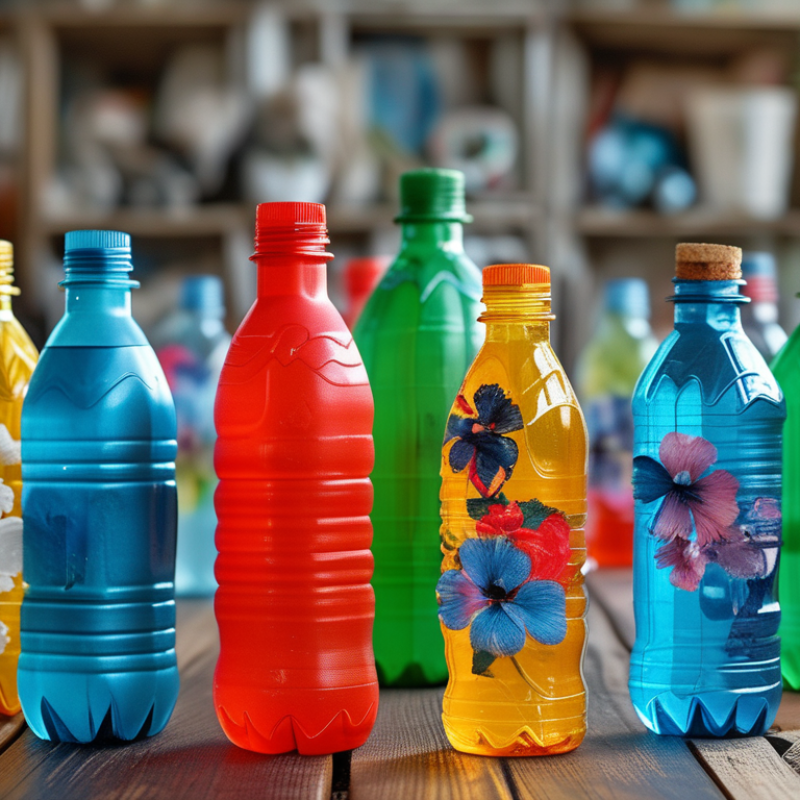
In addition to clothing, recycled plastic is used to create home decor items. Vases, planters, and decorative bowls are crafted from these materials. They add a unique touch and showcase a commitment to sustainability. However, not all designs are successful. Some products may lack quality and aesthetic appeal. Consumers need to be discerning when choosing these items.
Moreover, educational projects have also started utilizing recycled bottles for creative purposes. Schools incorporate them into art and science projects, fostering environmental awareness among students. While these initiatives encourage creativity, the quality and longevity of the end products can be an issue. Rethinking how we use recycled plastic is vital for improving these applications.
Creative Home Décor Ideas Using Recycled Plastic Bottles
Recycled plastic bottles can transform your living space. They offer a unique opportunity to blend creativity with sustainability. One popular idea is creating a vertical garden. Simply cut bottles in half, fill them with soil, and hang them on a wall. This can add greenery to small spaces and enhance air quality.
Another imaginative use is turning bottles into artistic decorations. With some paint and twine, you can make beautiful vases or chic candle holders. They can be customized for any season or occasion. These projects can be a fun way to engage children, teaching them about recycling and creativity. The challenge lies in perfecting the technique. Sometimes, the end result may not match your vision perfectly.
Consider lighting fixtures made from plastic bottles. By cutting and manipulating the bottles, they can cast interesting shadows and create ambiance. The process might seem simple, but achieving the right aesthetic can take time. Embrace the trial and error as part of the journey. Using recycled materials pushes the boundaries of traditional decor while making an environmental impact.
Top 10 Uses of Recycled Plastic Bottles for Global Buyers
| Use Case |
Description |
Eco-Friendliness Rating |
Cost Efficiency |
| Planters |
Used as planting pots for flowers and herbs. |
High |
Low |
| Bird Feeders |
Converted into engaging feeders for backyard birds. |
High |
Moderate |
| Storage Containers |
Ideal for organizing supplies, tools, and toys. |
Medium |
Low |
| Art Projects |
Used in schools for creative arts and crafts. |
High |
Free/Low |
| Furniture |
Creates sustainable chairs and tables. |
High |
High |
| Insulation Material |
Used in construction for insulating buildings. |
Medium |
High |
| Rainwater Harvesting Systems |
Used as tanks for collecting rainwater. |
High |
Medium |
| Eco-Bricks |
Filled with non-biodegradable waste for building. |
High |
Low |
| Dog Toys |
Made into fun and safe playthings for pets. |
Medium |
Low |
Sustainable Packaging Solutions Developed from Recycled Plastic Bottles
Recycled plastic bottles are transforming our approach to sustainable packaging. They offer a versatile solution that aids in reducing landfill waste while supporting eco-friendly practices. Various industries are leveraging this material to create innovative packaging options. These efforts contribute positively to both brand image and environmental health.
When considering recycled plastic bottles for packaging, remember their durability. They are lightweight, yet strong, making them ideal for transporting goods without adding extra costs. More companies are exploring new designs that maintain functionality while being eco-conscious. Regular checks for quality ensure that the materials comply with safety standards.
Tips for maximizing the benefits of recycled plastic include sourcing from trustworthy suppliers. Look for certifications that prove their commitment to sustainability. Consumers are becoming more discerning; they seek transparency in sourcing practices. Address any concerns about the overall lifecycle of the products. Understanding their origins can enhance consumer trust and encourage the use of sustainable options.
Environmentally Friendly Products Made from Recycled Plastic Bottles
Recycled plastic bottles are becoming a valuable resource for creating environmentally friendly products. In recent years, the global market for recycled plastics has grown substantially. According to a report by the Global Plastics Alliance, the recycling rate for plastic bottles reached about 29% in 2020. However, a significant amount still ends up in landfills, highlighting an urgent need for innovative solutions.
Many products made from recycled plastic include clothing textiles, outdoor furniture, and even construction materials. For instance, one square meter of recycled plastic can save approximately 1.3 kg of virgin resin. This not only reduces waste but also lowers the carbon footprint associated with production. Organizations are now investing in advanced sorting technologies to improve recycling efficiency. Still, many challenges persist, particularly in processing contaminated plastics.
The lifestyle shift towards sustainability is evident as consumers demand eco-friendly products. Yet, the industry must reflect on its practices. Not all recycled products are created equal. Some may not be durable or fully recyclable again. Transparency in sourcing materials is crucial. As buyers, we should question the actual impact of these recycled products. Are they genuinely sustainable, or simply marketed as such?
Recycled Plastic Bottles in Construction and Infrastructure Development
Recycled plastic bottles are transforming construction and infrastructure development. They are lightweight and durable, making them ideal for various applications. For example, crushed plastic can replace traditional aggregates in concrete. This innovation reduces waste and minimizes new material use, paving the way for more sustainable building practices.
In addition to concrete, recycled plastic bottles are used in road construction. Blended with asphalt, these materials enhance flexibility and resistance to cracks. This method not only improves the quality of roads but also helps divert plastics from landfills. Projects utilizing this approach have reported prolonged road life.
Tip: Always seek certified materials when integrating recycled plastics. This ensures quality and safety. While the benefits are clear, be cautious. Not all recycled materials meet structural standards. Testing is crucial to avoid potential failures.
Sustainability in construction comes with challenges. The consistency of recycled materials can vary. This variability affects performance and durability. It’s essential to conduct thorough material assessments throughout the project lifecycle. Adopting recycled plastic bottles can lead to innovative solutions while demanding careful implementation and monitoring.