
Why Are Dog Treats Important for Dogs?
Dog Treats are more than small rewards tossed into a waiting mouth. They can support training, mental stimulation, bonding, and positive daily routines. A soft chew after a calm nail trim may help a nervous dog remember the experience differently. A crunchy treat hidden inside a puzzle toy can turn an ordinary afternoon into useful enrichment. These moments show why treats matter beyond simple enjoyment.
Veterinarian and pet nutrition expert Dr. Ernie Ward has emphasized, “Treats should make up no more than 10 percent of your dog’s daily calories.” This practical guideline helps owners protect a dog’s health while preserving the pleasure of rewards. Portion size matters. A tiny biscuit can still add significant calories to a small dog. Ingredients matter too, especially for dogs with allergies, dental concerns, obesity, or sensitive digestion. Fresh water should remain available.
The right treat depends on the dog, not the packaging. That sounds obvious. It is often overlooked. Some dogs respond best to pea-sized training rewards, while others need a longer-lasting chew for quiet enrichment. Owners should watch body condition, stool changes, energy levels, and enthusiasm. A veterinarian can provide safer guidance when medical conditions affect diet. Choosing Dog Treats thoughtfully creates a better balance between affection and responsibility. It also requires honest reflection: are we rewarding good behavior, or simply answering every hopeful stare?
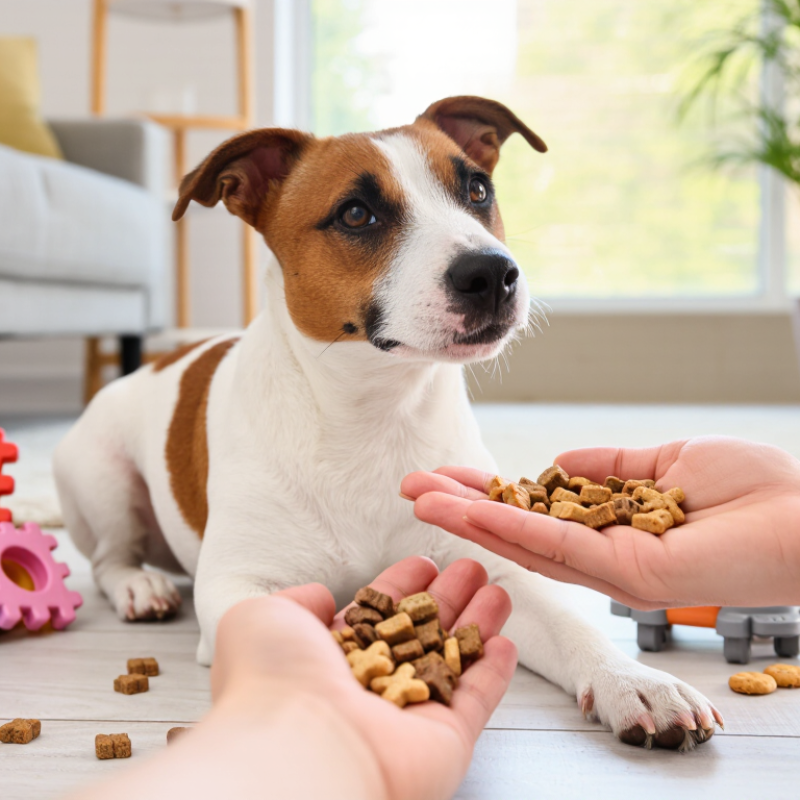
Nutritional Benefits of Dog Treats
Why Are Dog Treats Important for Dogs?
Nutritional Benefits of Dog Treats
Dog treats can add useful nutrients when they complement a complete, balanced diet. Small pieces of lean, cooked meat may provide protein and support muscle maintenance. Treats containing omega-3 fatty acids can support skin and coat health. Some dental treats also help reduce plaque through chewing, although they cannot replace brushing or veterinary care. The nutritional value depends on the recipe, portion, and the dog’s health.
Calories matter more than many owners expect. The American Animal Hospital Association’s 2021 Nutrition and Weight Management Guidelines recommend keeping treats below 10% of a dog’s daily calories. For a 10-kilogram dog, one large biscuit can quickly consume that allowance. The Association for Pet Obesity Prevention reported in 2022 that 59% of surveyed dogs were overweight or obese. That figure makes casual treating worth reconsidering.
Treats can also improve training by creating a clear reward after a desired behavior. However, “natural” does not automatically mean nutritionally complete. I would not call every treat healthy. Some contain excess fat, salt, or calories, and individual dogs may react differently. Veterinary guidance is especially important for dogs with diabetes, kidney disease, food allergies, or weight concerns. Owners can break one treat into several smaller pieces and check its calorie information daily. Even careful feeding needs occasional review.
Why Are Dog Treats Important for Dogs? – Nutritional Benefits of Dog Treats
Treats can support training, enrichment, and the delivery of selected nutrients, but they should generally provide no more than 10% of a dog’s daily calories.
The chart shows estimated daily calories available for treats for healthy adult dogs at different body weights. Values use an adult-neutered energy estimate of 1.6 × 70 × body weight0.75 and allocate 10% to treats. Actual calorie needs vary with age, activity, health status, and the dog’s complete diet, so treats should be adjusted with veterinary guidance.
How Treats Support Training and Positive Reinforcement
Why Are Dog Treats Important for Dogs?
Treats can make training clearer, faster, and more enjoyable for dogs. A small, tasty reward tells a dog exactly which behavior earned approval. This matters when teaching “sit,” calm leash walking, or returning when called. The American Veterinary Society of Animal Behavior supports reward-based training because it encourages learning without fear or intimidation. In my experience, timing matters more than treat size. Reward the behavior within one or two seconds. Otherwise, the dog may connect the treat with jumping, barking, or simply standing nearby.
Treats also provide useful positive reinforcement during stressful moments. A dog may accept a treat after hearing a vacuum cleaner, meeting a visitor, or entering a clinic. However, food is not a magic solution. Some dogs prefer toys, praise, or permission to sniff. Treats can also cause weight gain when portions are guessed. The World Small Animal Veterinary Association recommends keeping treats below 10% of daily calorie intake. Its nutrition guidance also stresses complete, balanced meals as the main source of nutrition. The American Pet Products Association’s 2023–2024 National Pet Owners Survey reported that about 65.1 million U.S. households own dogs, showing how widely practical training guidance matters.
Tips: Break treats into pea-sized pieces. Keep a daily portion in a pocket or container. Reward calm behavior before excitement grows. If a dog ignores food, reduce distractions or try another reward. I sometimes expect progress too quickly; dogs need repetition, quiet pauses, and occasional mistakes. Never reward every behavior forever. Gradually space rewards while keeping praise consistent.
The Role of Treats in Mental Stimulation
Why Are Dog Treats Important for Dogs?
The Role of Treats in Mental Stimulation
Treats can turn an ordinary meal into a small problem-solving activity. A dog may search through a towel, follow a scent trail, or work out a simple puzzle. These tasks engage natural behaviors, including sniffing, choosing, and exploring. That matters.
In training, a treat provides clear feedback after a desired action. Rewarding a calm pause, gentle eye contact, or a successful “leave it” helps dogs understand our expectations. Veterinary behavior professionals often recommend short, varied activities instead of constant repetition. Five focused minutes can be enough. Use tiny portions, and reduce meal sizes when needed.
It is easy to assume every treat-based game benefits every dog. That assumption can be wrong. Some dogs become frustrated by difficult puzzles, while others swallow food too quickly. Start with visible treats, then increase the challenge gradually. Supervise chewing and choose pieces suited to the dog’s size and health needs. A dog with allergies, dental problems, or weight concerns may need professional dietary guidance.
I once underestimated how much dogs notice small changes. Moving a search game from the kitchen to a quiet hallway can renew interest. Still, treats should support mental enrichment, not replace walks, social contact, rest, or veterinary care. Keep it simple. A few thoughtful rewards can make a familiar day feel more engaging.
Choosing Safe and Healthy Treats for Dogs
Why Are Dog Treats Important for Dogs?
Treats can support training, bonding, and gentle handling during grooming or veterinary visits. However, they are not nutritionally complete meals. The World Small Animal Veterinary Association recommends keeping treats below 10% of a dog’s daily calories. This limit matters because excess snacks can quietly cause weight gain. The Association for Pet Obesity Prevention reported that about 59% of surveyed dogs were overweight or obese in 2022. A treat may look tiny, but several pieces can equal a meal.
Choosing safe and healthy treats requires more than reading attractive packaging. Check the calorie content, ingredient list, texture, and recommended portion. Select treats suitable for your dog’s age, size, chewing style, and medical needs. Avoid foods known to harm dogs, including chocolate, grapes, raisins, onions, garlic, and products containing xylitol. The American College of Veterinary Nutrition emphasizes that calorie control and complete nutrition support healthy weight management. I have sometimes underestimated “small” rewards. Measuring them changed my routine.
Tips: Break larger treats into smaller pieces. Count treats within the daily calorie budget. Keep fresh water available. Use softer options for older dogs with dental discomfort. Watch for coughing, vomiting, itching, or diarrhea after a new treat. Stop the treat and contact a veterinarian if symptoms appear. Dogs are individuals, and a popular ingredient may still cause trouble for one dog. A veterinary nutrition professional can help when allergies, obesity, kidney disease, or other conditions are involved.
Recommended Treat Portions and Feeding Practices
Why Are Dog Treats Important for Dogs?
Dog treats can support training, bonding, and mental stimulation. A small reward may help a dog repeat calm behavior. Treats also make simple exercises feel engaging. However, they should complement balanced meals, not replace them.
Veterinary nutrition guidance commonly recommends keeping treats below 10% of daily calories. The remaining 90% should come from complete, balanced food. The exact portion depends on age, weight, activity, and health. A tiny dog may need only a pea-sized piece. A large dog may manage a larger bite. Check calorie information when available, and break treats into smaller pieces. Dogs usually notice the reward, not its size.
Measure the daily treat allowance before training begins. Use part of the regular meal for practice when possible. Keep fresh water nearby. Choose simple treats with suitable ingredients, especially for dogs with allergies or sensitive digestion. Avoid sudden changes, and watch for vomiting, diarrhea, itching, or weight gain. Reduce meal portions slightly if treats become frequent. The ten-percent rule is helpful, but it is not perfect. Dogs with diabetes, obesity, or prescription diets may need individual advice from a veterinarian. I sometimes see owners reward every response, even unnecessary barking. Waiting for quiet behavior can make the lesson clearer. Some dogs also lose interest when treats appear constantly. Food rewards work better when timing, portion, and purpose remain controlled.