What Are the Best Recycled Plastic Products from China?

Choosing the best recycled plastic products from China requires more than comparing prices. Material quality, processing experience, documentation, and supply reliability all matter. A low quotation may hide inconsistent feedstock, weak packaging, or limited quality control.

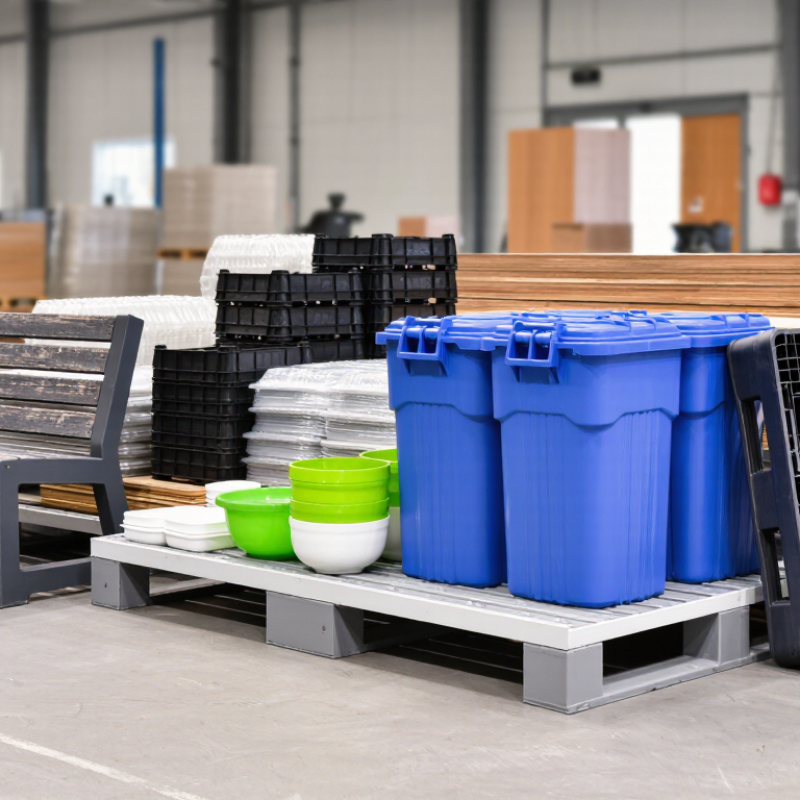
China manufactures a wide range of recycled plastic products, including storage bins, pallets, outdoor furniture, construction boards, packaging components, and household items. Some products use post-consumer recycled plastic, while others contain factory production scrap. These materials perform differently. A recycled HDPE pallet may handle warehouse moisture well, but a poorly blended product can crack under repeated loads.

Real sourcing experience shows that product samples rarely tell the complete story. Buyers should request resin information, recycled content details, test reports, production photos, and batch inspection records. Certifications can support trust, but they should be verified rather than accepted blindly. Traceability matters. So does communication.

The best recycled plastic products are not always the cheapest options. They should match the intended use, expected lifespan, and environmental requirements. A supplier with clear specifications and stable production deserves closer attention. Still, no supplier is perfect. Even experienced manufacturers may face color variation, odor concerns, or changing raw material quality.

This guide examines practical product categories, material choices, manufacturing standards, and supplier evaluation methods. It also considers packaging, customization, and long-term performance. The goal is not to praise every Chinese manufacturer. It is to help buyers make careful, evidence-based decisions when selecting recycled plastic products.
What Are the Best Recycled Plastic Products from China?

Types of Recycled Plastic Products Made in China

China’s recycled plastic industry produces many practical goods from post-consumer and post-industrial waste. Recycled PET is commonly turned into polyester fibers, felt, strapping, and clear or tinted sheets. These materials can appear in clothing, insulation panels, storage packaging, and protective layers. The final quality depends on sorting, washing, melting, and filtration. Small mistakes can leave dark specks or a mild odor.

Not every recycled plastic product looks perfect. That matters. Recycled HDPE often becomes pallets, crates, bins, pipes, and outdoor furniture. It offers useful impact resistance and handles moisture well. Recycled PP is used for automotive components, woven bags, household containers, and industrial trays. Recycled PVC can be processed into flooring, profiles, cable protection, and construction boards when additives are controlled carefully. Some manufacturers also produce recycled plastic lumber for garden edging and benches.

Reliable sourcing requires more than checking photographs. Buyers should request the resin type, recycled content percentage, processing records, and recent test results. Melt flow rate, tensile strength, color consistency, and odor should match the product’s intended use. For packaging that touches food, separate compliance testing is essential. A factory sample may look excellent, yet perform poorly after repeated impact or outdoor exposure. Independent inspections and batch-based documentation reduce that risk. Mistakes still happen, especially when mixed plastics enter the feedstock, so clear specifications and realistic tolerances are necessary.

Best Recycled Plastic Products Made in China

Typical post-consumer recycled content ranges for widely manufactured product categories. Actual percentages vary according to feedstock quality, product specifications, and applicable safety requirements.

Product categories include recycled PET, HDPE, PP, LDPE, and ABS applications commonly used in packaging, logistics, construction, household goods, and consumer products.

Materials and Recycling Processes Used in Their Production

What Are the Best Recycled Plastic Products from China?

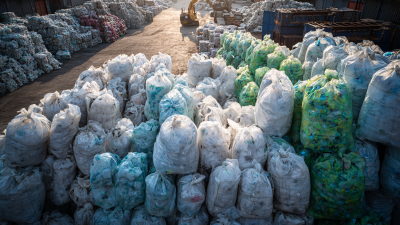
China’s recycled plastic products often begin with PET bottles, HDPE containers, and discarded polypropylene packaging. Each material needs a different treatment route. PET is commonly washed, sorted by color, shredded, and heated into recycled flakes or pellets. These pellets can become textile fibers, strapping, trays, and storage containers. HDPE is more suitable for crates, pipes, bins, and outdoor furniture because it keeps useful strength after mechanical recycling.

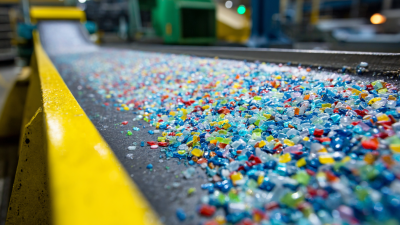
The process depends heavily on sorting accuracy. Workers and optical systems remove metals, labels, caps, and unsuitable polymers. Clean plastic then passes through hot washing, drying, grinding, and melt filtration. Extruders control temperature carefully to reduce burning and uneven color. Injection molding forms rigid products, while blow molding creates bottles and hollow containers. Small contamination can still cause odor, weak surfaces, or black specks.

Some Chinese manufacturers also use recycled nylon and chemical recycling for selected waste streams. These methods may produce more consistent feedstock, but they usually require higher energy, investment, and technical control. Mechanical recycling remains practical for many everyday products. In my experience, recycled content alone does not prove quality. Buyers should check batch records, material testing, contamination limits, and traceability from collection to finished goods. Recycled plastic can vary more than expected. A product may look polished but perform poorly under heat, impact, or repeated washing. Clear specifications and independent testing help reveal that difference.

Key Benefits and Environmental Uses of These Products

Recycled plastic products from China are increasingly used in construction, logistics, landscaping, and household settings. Common examples include recycled PET textiles, plastic pallets, drainage pipes, garden furniture, and outdoor decking. These products reduce demand for virgin plastic and give discarded bottles, containers, and industrial scraps a useful second life. Recycled PET fabric can become workwear, bags, or carpet fibers. A single bench made from mixed recycled plastic may withstand rain, sunlight, and repeated cleaning. That durability matters in parks and public areas. Plastic pallets also resist moisture better than many wooden alternatives. They can support repeated warehouse handling without absorbing spills. The difference is practical.

Environmental value depends on manufacturing quality and product design. Reputable suppliers usually sort, wash, melt, and test plastic before production. Buyers should request information about recycled content, contamination control, strength, and traceability. Products with longer service lives can reduce replacement waste. Some drainage systems also help manage rainwater around roads and buildings. Recycled plastic boards can replace timber in humid gardens, reducing pressure on forest resources. Yet recycled plastic is not automatically sustainable. Poor sorting may lower quality, while long-distance shipping adds emissions. I have seen attractive claims that lacked clear testing evidence. That weakness deserves attention. Better decisions come from comparing service life, repair options, recycled content, and transport impact. Certification can help, but it should support careful inspection rather than replace it.

Quality Standards and Certifications to Evaluate

The best recycled plastic products from China should pass more than a visual inspection. Start with traceability, material composition, and documented performance. OECD’s Global Plastics Outlook reports that global plastic waste reached 353 million tonnes in 2019, while only 9% was recycled. This makes verified recycled content important, not optional.

Ask suppliers for batch-level test reports. These should identify polymer type, recycled percentage, tensile strength, impact resistance, and heavy-metal results. ISO 14021 guides credible environmental claims, while the Global Recycled Standard verifies recycled content and supply-chain custody. The Recycled Claim Standard can also support content tracking, but it offers narrower requirements. Certificates must match the factory, product, and production date. A certificate can expire.

For storage crates, pallets, outdoor furniture, and packaging components, request samples from several production batches. Check warping after heat exposure, odor, color consistency, and load performance. Products intended for food contact need separate regulatory evidence, not only a recycled-content certificate. Applicable Chinese GB/T standards should appear in the supplier’s test records, alongside laboratory accreditation such as ISO/IEC 17025. I would not rely on a polished certificate alone. Reports can be incomplete. Independent pre-shipment testing remains worthwhile, especially when the material contains mixed post-consumer plastic.

What Are the Best Recycled Plastic Products from China? - Quality Standards and Certifications to Evaluate

Recycled Plastic Product Typical Recycled Material Common Applications Key Quality Indicators Relevant Standards or Certifications to Evaluate Documents to Request
Recycled PET Flakes and Pellets Post-consumer PET bottles and post-industrial PET scrap Textile fibers, strapping, sheets, packaging components and non-food containers Intrinsic viscosity, moisture, color, contamination level, melt filtration and pellet consistency ISO 15270 for plastics recovery terminology; ISO 14021 for self-declared recycled-content claims; Global Recycled Standard (GRS) or Recycled Claim Standard (RCS) where chain-of-custody verification is required; food-contact rules only when the intended market permits recycled PET for food use Independent laboratory report, recycled-content calculation, batch COA, source-traceability records, contaminant testing and applicable food-contact compliance documents
Recycled HDPE Containers Post-consumer detergent, household and industrial HDPE packaging Bins, bottles for non-food products, crates, drums and utility containers Density, melt flow rate, impact strength, tensile strength, odor, color uniformity and stress-crack resistance ISO 1183 for density; ISO 1133 for melt mass-flow rate; ISO 527 for tensile properties; ISO 180 or ISO 179 for impact testing; GRS or RCS for verified recycled content Material specification, batch test report, recycled-input records, heavy-metal and chemical screening where relevant, and product-use compliance statement
Recycled PP Products and Compounds Post-industrial or post-consumer polypropylene parts, caps and packaging waste Automotive components, storage boxes, pallets, household goods and injection-molded parts Melt flow rate, flexural modulus, impact performance, ash content, odor, filler level and batch-to-batch stability ISO 1133 for melt flow; ISO 178 for flexural properties; ISO 527 for tensile testing; ISO 180 or ISO 179 for impact testing; ISO 14021, GRS or RCS for recycled-content claims Technical data sheet, COA, formulation disclosure where appropriate, recycled-content evidence, color standard and dimensional inspection report
Recycled Plastic Pallets and Crates Recycled HDPE, PP or mixed polyolefin compounds Warehousing, export logistics, food distribution when legally suitable, agriculture and industrial handling Static load, dynamic load, racking load, impact resistance, dimensional accuracy, stacking stability and low-temperature performance ISO 8611 for pallet performance testing; ISO 2248 for drop testing of filled transport packages; ISPM 15 is generally relevant to solid wood packaging, not plastic pallets; food-contact requirements apply only to intended food-use products Load-test report, product drawings, material declaration, recycled-content verification, safety data where additives are used and sample inspection results
Recycled Plastic Sheets and Boards Recycled HDPE, PP, PET, PVC or mixed plastic streams, depending on specification Construction protection, retail fixtures, partitions, furniture components and industrial fabrication Thickness tolerance, flatness, density, tensile strength, flexural strength, surface finish, water absorption and UV resistance ISO 178 for flexural properties; ISO 527 for tensile testing; ISO 1183 for density; ISO 4892-3 for accelerated weathering of plastics; fire classifications may be required for building-related applications Dimensional inspection report, mechanical test report, UV or weathering data, flame-retardancy report where applicable and recycled-material traceability records
Recycled Plastic Outdoor Furniture Recycled HDPE, PP or engineered recycled plastic composites Benches, tables, chairs, planters and public-space furnishings Load capacity, fastener strength, UV stability, color retention, water resistance, surface safety and structural durability EN 581 or equivalent outdoor-furniture requirements where applicable; ISO 4892-3 for weathering; ISO 527 and ISO 178 for mechanical testing; GRS or RCS for verified recycled content Load and stability test report, weathering results, material composition, recycled-content certificate, care instructions and product safety assessment
Recycled Plastic Packaging Recycled PET, HDPE or PP, selected according to the packaging application Cosmetic, household, personal-care and industrial packaging; food packaging requires additional authorization Leak resistance, drop performance, seal integrity, dimensional stability, odor, migration and compatibility with the contents ISO 527 for tensile properties; ISO 2248 for drop testing; ISO 8317 or relevant child-resistant packaging standards when applicable; applicable food-contact legislation in the destination market; GRS or RCS for chain-of-custody claims Packaging performance report, migration testing where required, declaration of compliance, recycled-content evidence, closure compatibility data and production batch records
Recycled Plastic Textile Fibers and Yarns Primarily recycled PET from post-consumer bottles Apparel, home textiles, bags, upholstery and industrial fabrics Fiber linear density, tenacity, elongation, colorfastness, moisture, contamination and consistency of recycled input ISO 2060 for yarn linear density; ISO 2062 for yarn tensile properties; ISO 105 series for colorfastness; GRS or RCS for verified recycled fibers and supply-chain claims; OEKO-TEX Standard 100 may be relevant for harmful-substance screening of finished textile products Fiber or yarn test report, recycled-content transaction records, restricted-substance test, colorfastness report and production traceability documentation
Recycled Plastic Construction Profiles and Drainage Products Recycled HDPE, PP, PVC or composite recycled polymers Edging, protective profiles, drainage components, barriers and non-structural construction products Dimensional tolerance, compressive strength, impact resistance, UV exposure, water absorption, chemical resistance and fire behavior Applicable ISO or EN product standards; ISO 4892-3 for weathering; ISO 604 for compressive properties of rigid plastics where relevant; regional building-code and fire-classification requirements Product test report, installation instructions, environmental and chemical-resistance data, recycled-content verification and destination-market conformity declaration
Evaluation note: A certification should be checked against the exact product, material, facility and supply chain. Request a current certificate with the certification scope, validity period, issuing body and applicable recycled-content percentage. Product testing and destination-market compliance remain necessary even when recycled-content certification is available.

How to Choose Reliable Chinese Recycled Plastic Suppliers

China produces many recycled plastic products, including pellets, sheets, storage containers, and packaging components. Product quality depends heavily on the supplier’s sorting, washing, and processing controls. A reliable supplier should clearly explain the material source, recycling process, and intended application.

Ask for recent test reports, production photos, and a small sample before placing a large order. Check melt flow rate, moisture level, color consistency, impact strength, and contamination levels. Suppliers should also provide batch numbers and basic traceability records. A polished factory tour can still hide weak sorting practices. Do not rely on promises alone.

Tips: Compare at least three suppliers. Request identical samples. Test them independently when possible. Confirm production capacity, lead times, packaging methods, and payment terms in writing. Visit the facility or arrange a live video inspection. Watch how workers handle incoming plastic and finished materials. Small details matter. An untidy storage area may indicate poor moisture control, although this is not always conclusive. Allow room for uncertainty, because recycled materials can vary between batches. A dependable supplier admits these limits and offers practical solutions instead of claiming perfect uniformity.