China Top 10 Eco Plastic Products Manufacturers
China’s plastics industry is moving toward lower-impact materials, cleaner production, and more responsible packaging design. This guide examines China’s top 10 eco plastic products manufacturers through practical and measurable criteria. These include material selection, manufacturing experience, quality control, export capability, and environmental documentation.
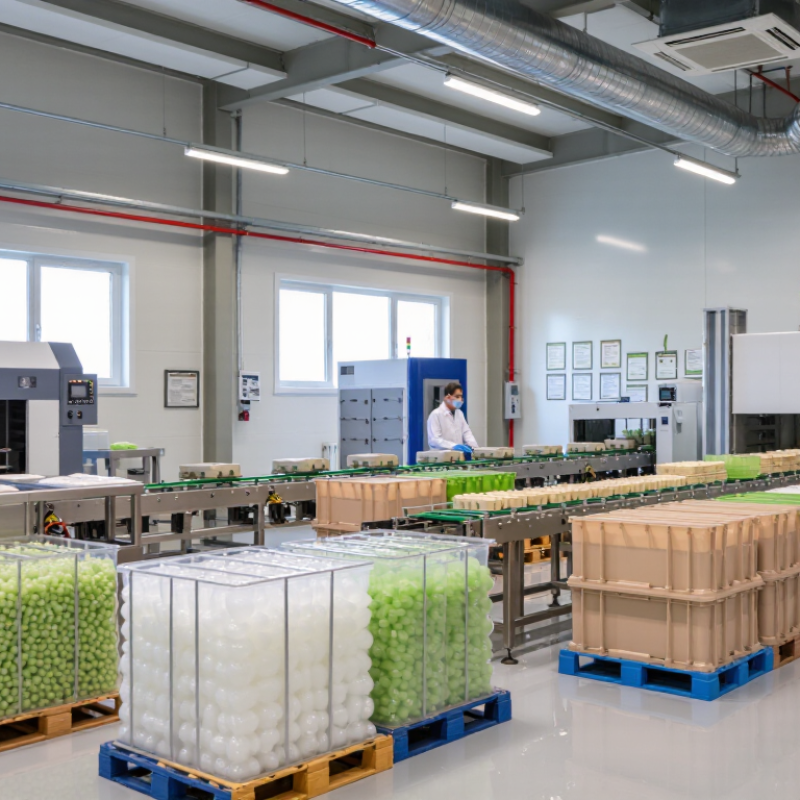
The companies reviewed may produce compostable bags, recycled packaging, reusable containers, agricultural films, and molded fiber alternatives. Some use PLA, PBAT, recycled PET, or post-consumer recycled resin. Others focus on durable products that reduce repeated replacement. A factory floor can reveal important details: sealed material storage, automated temperature controls, batch testing, and clearly labeled production lines.
Certifications matter, but they are not the whole story. Buyers should verify certificates, testing dates, product composition, and claims about biodegradability. “Green” can sound persuasive. It can also be vague. Supplier audits, sample testing, and transparent technical data provide stronger evidence. In my experience, consistent quality often matters more than attractive marketing language. A product that fails during transport creates waste, even when its material appears environmentally friendly.
This overview is designed for importers, retailers, packaging buyers, and sustainability teams comparing Chinese suppliers. It considers communication, customization, lead times, and after-sales support alongside environmental goals. The best eco plastic products manufacturer is not always the largest company. It is the supplier that can document its claims, maintain stable production, and match the product to its actual end use. Some information may change as standards and technologies develop. Verify critical details before signing a contract.
Market Scope: UNEP Reports 430 Million Tonnes of Plastic Made Yearly
China Top 10 Eco Plastic Products Manufacturers
UNEP reports that about 430 million tonnes of plastic are produced worldwide each year. This figure gives every manufacturer a difficult starting point. Plastic remains useful in medical packaging, food protection, construction, and daily products. Yet poorly designed materials can persist for decades and enter rivers, soil, and oceans.
A responsible top-ten review should examine more than production volume. It should check recycled content, material traceability, energy use, waste controls, and product safety records. Factory evidence matters. Look for verified testing, clear certification, and measurable reductions in virgin plastic. A reusable container should survive repeated washing. A compostable item should meet recognized industrial composting standards, not merely use natural-looking colors.
The strongest manufacturers often redesign products before changing their labels. They reduce unnecessary layers, improve sorting, and use mono-material structures where possible. Some also publish lifecycle data from resin production through disposal. That information is valuable, but it may still contain gaps. No factory is perfectly circular.
Buyers should ask precise questions about recycled percentages and local recovery systems. A product can be technically recyclable but rarely recycled in practice. This difference is easy to miss. It deserves attention. The 430-million-tonne annual production figure shows why small design choices require serious measurement, not attractive claims.
Recycling Context: OECD Finds Only 9% of Global Plastic Waste Is Recycled
China Top 10 Eco Plastic Products Manufacturers
The OECD reports that only 9% of global plastic waste is recycled. This figure changes how eco plastic manufacturers should be evaluated. A product may contain recycled material, yet remain difficult to recycle after use. In factory assessments, material choice, energy records, and waste controls matter more than green wording. Recycled content should be verified through supplier documents and production samples.
China’s leading eco plastic manufacturers often produce packaging, household goods, agricultural films, and reusable containers. Responsible suppliers can explain resin sources, additives, testing methods, and end-of-life options. They should also provide clear data on recycled content and production waste. However, claims are not always complete. Some factories measure carbon emissions carefully but overlook water use or rejected batches. That gap deserves attention.
Tips: Ask for third-party test reports and recent audit records. Check whether the product uses one easy-to-sort material. Request a sample before placing a large order. Avoid vague terms such as “fully green” without measurable evidence. A realistic supplier should admit limitations, because recycling systems differ between regions. Small design details matter, such as removable labels, simple colors, and clean material separation.
Ranking Criteria: Compare 10 Manufacturers Using Eight Verifiable Industry KPIs
China Top 10 Eco Plastic Products Manufacturers
Ranking Criteria: Compare 10 Manufacturers Using Eight Verifiable Industry KPIs
A credible ranking cannot rely on glossy sustainability claims. It should score ten manufacturers against eight measurable KPIs: recycled content percentage, product carbon footprint, energy use per tonne, renewable electricity share, water intensity, production scrap rate, landfill diversion rate, and third-party certification. These indicators cover materials, factory operations, and evidence quality. The OECD’s Global Plastics Outlook reports that only 9% of global plastic waste was recycled in 2019. That figure makes recycled input and end-of-life planning essential.
Data should come from recent audit files, not marketing copy. Reviewers can request supplier declarations, electricity invoices, laboratory reports, and ISO 14067 carbon assessments. They should verify whether “recycled content” means physical recycled resin or a weaker accounting claim. Factory visits can check pellet storage, rejected rolls, wastewater meters, and batch traceability. Small details reveal large gaps.
A practical score can weight carbon footprint and recycled content heavily, then assess energy, water, waste, and certification performance. The UNEP report Turning off the Tap estimates that plastic pollution could fall by 80% by 2040 using existing solutions. However, the ranking is not flawless. Public data may be incomplete, and factory boundaries can differ. Scores should show evidence dates, audit scope, and uncertainty ranges. A low-carbon product with poor traceability should not outrank a slightly higher-impact product with transparent, independently verified records.
Product Standards: Assess PCR Content, EN 13432, ISO 14021, and GB Standards
China’s top ten eco plastic product manufacturers should be assessed through evidence, not slogans. PCR content must show the percentage of post-consumer resin by mass. Suppliers should provide batch records, source declarations, and traceability documents. The OECD’s Global Plastics Outlook reported that only 9% of global plastic waste was recycled in 2019. That figure makes recycled-content verification essential. ISO 14021 supports self-declared environmental claims, but it is not a substitute for independent auditing. A supplier claiming “30% PCR” should explain testing methods and mass-balance calculations.
Tips: Request a recent test report, production sample, and certificate scope. Check whether the document covers the exact product. Do not accept a factory-wide certificate automatically. Ask for migration testing when food contact is possible. Small details matter.
EN 13432 applies to industrially compostable packaging. It evaluates biodegradation, disintegration, ecotoxicity, and restricted substances. It does not prove home compostability. Chinese buyers should also review applicable GB requirements, such as GB/T 41010-2021 for biodegradable plastics and products. Food-contact items may require GB 4806.7 and related current standards. Requirements can change, so manufacturers should confirm the latest edition before production. A strong supplier keeps material specifications, incoming inspection records, and finished-product tests together. Perfect compliance is difficult. Even experienced teams sometimes overlook ink, adhesive, or multilayer components. That gap deserves honest review.
Manufacturer Profiles: Review Capacity, Certifications, CO₂e/kg, MOQ, and Export Data
China Top 10 Eco Plastic Products Manufacturers
A credible top-ten review should compare capacity, certifications, CO₂e/kg, MOQ, and export evidence. Production capacity needs context. A 20,000-ton annual line may serve one material, not the entire factory. The OECD Global Plastics Outlook reports that global plastic production reached 460 million tonnes in 2019. Only 9% of plastic waste was recycled. This gap makes traceable recycled content important, but recycled claims still require verification.
For each manufacturer, check ISO 9001, ISO 14001, ISO 14067, and applicable recycled-content certifications. Certifications are not equal. Some confirm management systems, while others verify product claims. Request a product carbon footprint with its system boundary, energy mix, recycled input, and transport distance. CO₂e/kg figures can look attractive when factory emissions are excluded. Export performance should be cross-checked through UN Comtrade data, customs records, and destination markets. MOQ also matters. A low MOQ may hide higher unit costs or limited color choices. Capacity figures often come from suppliers, so independent confirmation remains imperfect.
Tips: Ask for a recent audit report, test certificate, and batch-level traceability record. Compare at least three quotations using the same delivery terms. Confirm whether MOQ applies per design, material, or shipment. The UNEP Turning off the Tap report supports reducing unnecessary plastic use, not only replacing virgin material. That distinction deserves more attention.
China Eco Plastic Products Manufacturing Context: Global Plastics Waste Fate
The chart uses OECD 2019 global estimates to provide an industry benchmark for evaluating recycled-content products, circular manufacturing capacity, and environmental claims. Approximately 9% of plastic waste was recycled, while the remainder was incinerated, landfilled, or mismanaged.
Source: OECD, Global Plastics Outlook, 2019 global plastics waste estimates. Values are shown as a percentage of total plastic waste generated.
Related Posts
-
What Is Eco Friendly Plastic and Why Does It Matter?
-
2026 Top Eco Friendly Plastic Innovations You Should Know?
-
Why Is Plastic Waste Recycling Important for Our Planet?
-

Top 10 Recycled Plastic Innovations at China Import Expo?
-
What is Recycled Plastic and Why is it Important?
-

Top 10 Eco Plastic Innovations Every Buyer Should Know?