How to Choose Recycled Plastic Furniture for Sustainable Living?
In recent years, sustainable living has become a crucial topic for many. As we strive to reduce waste, one practical solution is choosing recycled plastic furniture. This type of furniture not only helps minimize plastic waste but also offers durability and style. However, selecting the right pieces requires careful consideration.
Many consumers may overlook the importance of quality and design in recycled plastic furniture. It's essential to choose items that blend functionality with elegance. Look for products that are made from high-quality recycled materials. These pieces should withstand the elements while still maintaining an attractive appearance.
While affordability is a factor, it's vital not to compromise on sustainable practices. Some cheaper options may not meet environmental standards. Understanding the source of recycled plastic is also key. Recycled plastic furniture can vary widely in design and functionality. Therefore, discerning buyers need to prioritize brands with a commitment to sustainability. Making informed choices will help you enjoy the benefits of recycled plastic furniture, while also caring for our planet.

Understanding the Benefits of Recycled Plastic Furniture
Recycled plastic furniture offers numerous benefits that align with sustainable living goals. According to a 2022 report by the Ellen MacArthur Foundation, transitioning to recycled materials can reduce greenhouse gas emissions by up to 70%. This makes recycled plastic a favorable choice for eco-conscious consumers. Furniture made from recycled materials often utilizes plastic waste that would otherwise end up in landfills or oceans. The circular economy approach promotes resource efficiency and minimizes environmental impact.
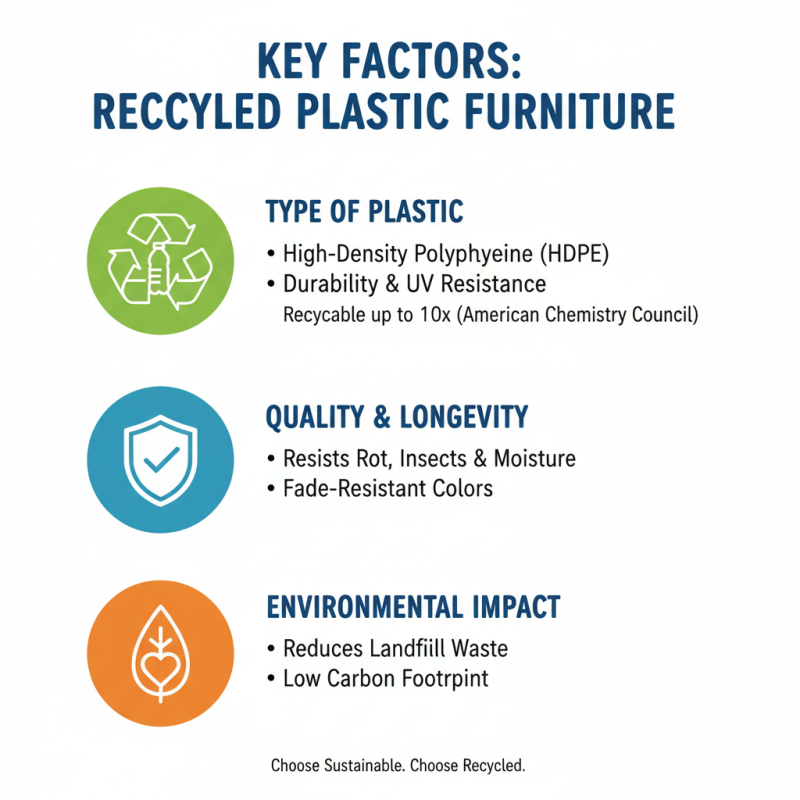
Durability is another advantage of recycled plastic furniture. Unlike traditional wood, it is resistant to moisture, insects, and fading. A study from the Plastic Waste Management Institute indicates that recycled plastic can last over 30 years with minimal maintenance. This longevity means fewer replacements and less waste over time. However, it is crucial to consider the potential downsides. Inconsistent quality across products sometimes raises concerns about structural integrity. Moreover, while the production of recycled plastic is eco-friendlier, the initial processes can still pose environmental challenges.
When selecting recycled plastic furniture, researching products is vital. Look for certifications indicating adherence to sustainability standards. Understanding these aspects allows consumers to make informed choices. Always reflect on how each purchase aligns with personal sustainability goals. Therefore, incorporating recycled plastic furniture can make a tangible impact on environmental conservation.
Benefits of Recycled Plastic Furniture
This chart illustrates the various benefits of using recycled plastic furniture, rated on a scale from 1 to 10. Key advantages include high durability and minimal maintenance, making these furnishings an excellent choice for sustainable living.
Types of Recycled Plastic Materials Used in Furniture Manufacturing
When selecting recycled plastic furniture, understanding the types of materials used is crucial. Recycled polyethylene terephthalate (rPET) is a common choice. Over 1 million tons of PET plastic are recycled globally each year. This plastic originates mainly from bottles and containers. Using rPET reduces landfill waste significantly and lowers production energy by up to 70%.
Another widely used material is high-density polyethylene (HDPE). According to the EPA, about 6.8 million tons of HDPE are recycled annually in the U.S. This sturdy plastic is ideal for outdoor furniture. It can withstand harsh weather, ensuring longevity. However, the color selection can be limited with this material.
Less commonly, polypropylene is used. It’s lightweight and resistant to UV rays, making it suitable for various climates. Although durable, the production process generates more waste compared to rPET and HDPE. Consumers should consider this impact. The choices in recycled materials can affect both environmental sustainability and product performance.
How to Choose Recycled Plastic Furniture for Sustainable Living? - Types of Recycled Plastic Materials Used in Furniture Manufacturing
| Type of Recycled Plastic |
Common Uses |
Benefits |
Environmental Impact |
| Polyethylene Terephthalate (PET) |
Outdoor furniture, picnic tables, and benches |
Durable, lightweight, and resistant to moisture |
Helps reduce plastic waste and promotes recycling |
| High-Density Polyethylene (HDPE) |
Lumber alternative, chairs, and tables |
Strong, UV resistant, and easy to clean |
Reduces landfill waste and conserves natural resources |
| Polypropylene (PP) |
Garden furniture, storage bins, and containers |
Flexible, durable, and resistant to chemical exposure |
Upcycles waste material, reducing ocean plastic pollution |
| Recycled PVC |
Fencing, decking, and garden accessories |
Long-lasting, low maintenance, and versatile |
Decreases reliance on new plastic production, promotes circular economy |
Evaluating the Quality and Durability of Recycled Plastic Products
When choosing recycled plastic furniture, quality and durability are key factors. Not all recycled plastic products are created equal. It's essential to examine the material source. Look for items made from high-density polyethylene (HDPE) or polypropylene. These materials tend to be stronger and more resilient in outdoor conditions. Recycled furniture should withstand weather changes without fading or cracking.
Check the weight of the furniture. Heavier pieces often indicate better construction and stability. Inspections are crucial. Look for any signs of wear, such as scratches or color inconsistencies. Durability can be misleading; even if a piece looks sturdy, it may not hold up over time. Investigating product reviews can help provide insights into user experiences.
While recycled plastic furniture contributes to eco-friendly living, it still has its shortcomings. Some products may not fully embrace recyclable components. Always question the manufacturer's environmental claims. It's vital to balance aesthetics with functionality. Remember, a beautiful design should also promise longevity. Careful selection can lead to sustainable enjoyment without compromise.
Design and Aesthetic Options for Sustainable Living Spaces
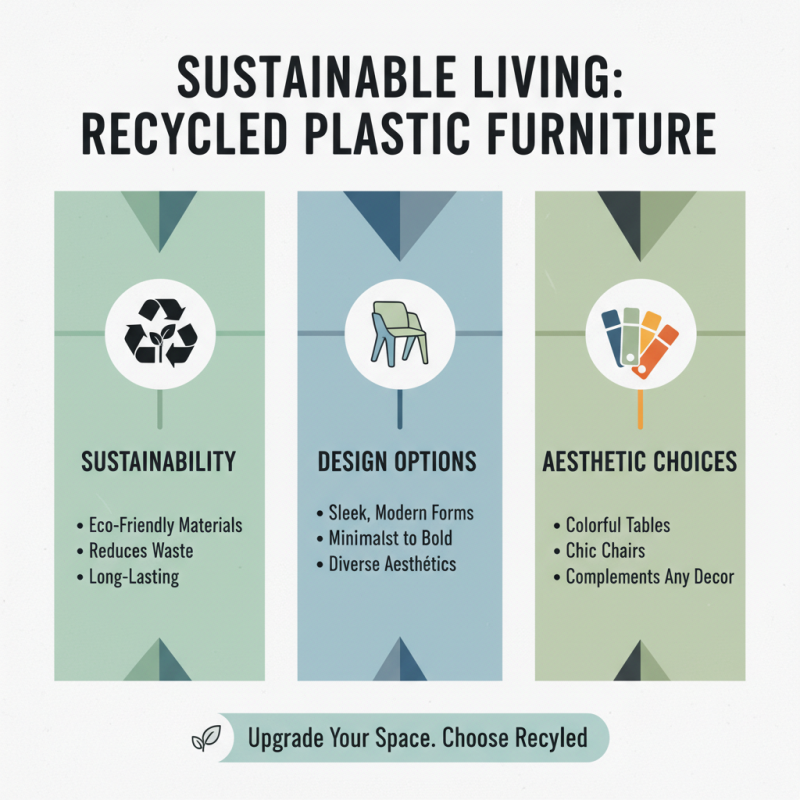
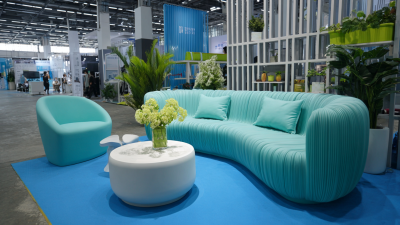
Recycled plastic furniture offers a unique blend of sustainability and style. When choosing pieces for your living space, consider the design options available. Many manufacturers are creating sleek, modern designs that cater to diverse aesthetics. From minimalist chairs to colorful tables, these pieces can complement any decor.
Color choices are vital for creating an inviting atmosphere. You might find vibrant hues that add a pop of personality. However, natural tones can offer a calming effect. Mixing both types can create an interesting visual balance. Pay attention to textures as well—some recycled plastic has a matte finish, while others have a glossy look.
It's also essential to think about durability and functionality. Recycled furniture is often weather-resistant, making it suitable for outdoor spaces. Yet, some pieces may not be as sturdy as traditional materials. Balancing style and durability requires reflection. Visit a few showrooms to test comfort and stability. Your choices should reflect your lifestyle and aesthetic preferences, even if it takes time to find the perfect fit.