Why Is Plastic Waste Recycling Important for Global Buyers?
Plastic waste recycling has become a purchasing issue, not merely an environmental ambition. Global buyers now examine where recycled plastic comes from, how it is processed, and whether its quality remains stable. A recycled pellet may look clean, yet hidden contamination can weaken packaging, change color, or disrupt production lines. These details affect costs, delivery schedules, and customer trust.
Roland Geyer, a researcher at the University of California, Santa Barbara, has warned, “The world cannot recycle its way out of the plastic waste problem.” His statement deserves careful attention. Plastic waste recycling is valuable, but it cannot replace waste reduction, better product design, or responsible material choices. Buyers need a broader view. Cheap recycled content is not automatically a reliable solution.
For international purchasers, responsible sourcing begins with evidence. Suppliers should explain collection methods, sorting systems, washing processes, and quality controls. Traceability records, laboratory test results, and consistent technical specifications provide stronger confidence than attractive claims. Buyers should also ask whether the material is suitable for their intended application. Food-contact, industrial, and consumer products may require very different standards.
The process is rarely perfect. Some waste remains difficult to sort or economically recycle. That uncomfortable fact should encourage better decisions, not delay them. A practical purchasing strategy compares recycled content, performance, supply security, and measurable environmental benefits. When buyers ask precise questions, suppliers receive pressure to improve. Small choices matter. Over time, plastic waste recycling can support a more responsible global materials market.
What Is Plastic Waste Recycling and Why Does It Matter?
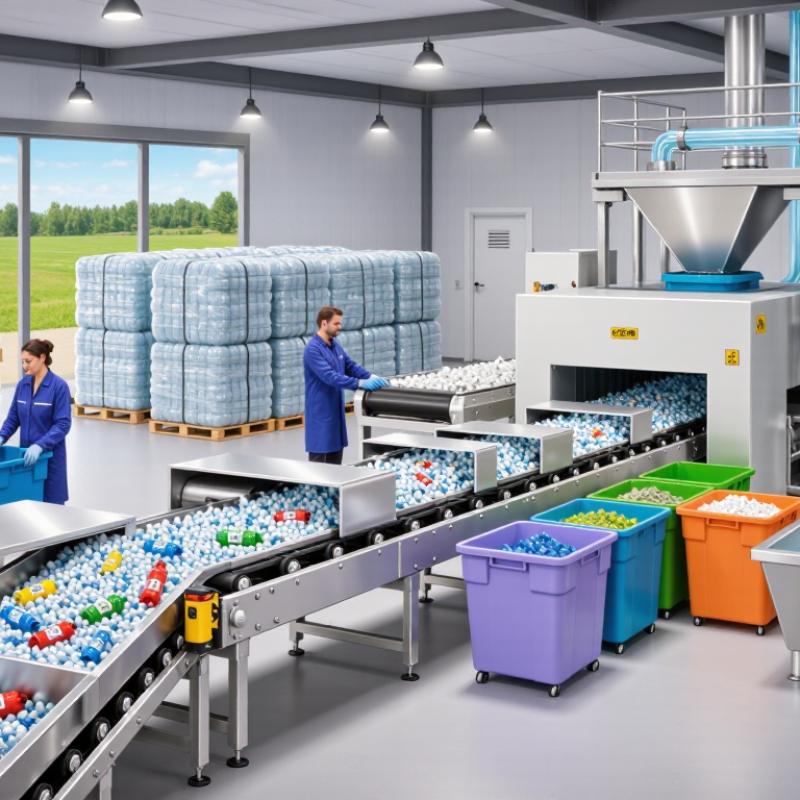
Plastic waste recycling means recovering discarded plastic and turning it into usable material. The process usually includes collection, sorting, washing, shredding, and melting. The final output may be flakes, pellets, or molded products. Different plastics require different treatment. A clear bottle and a multilayer food pouch cannot be processed in the same way.
The result varies. At a recycling facility, workers and equipment remove labels, metals, dirt, and moisture. Even small amounts of contamination can reduce quality. For global buyers, this process explains why material specifications matter. Experienced purchasers often check polymer type, color, moisture level, contamination rate, and test documentation before placing an order. A low price can hide costly sorting problems later.
Recycling can reduce demand for virgin plastic and keep useful materials away from disposal sites. It may also lower energy use, but the benefit depends on collection systems, transport distance, and processing efficiency. Recycling is not magic. Some loads still fail quality checks. Buyers should request traceable information about the material’s origin, processing method, and intended use. Clear records support safer decisions and help prevent recycled content claims that cannot be verified.
| Data Dimension | Verified Figure | Reference Year | Why It Matters to Global Buyers | Source |
|---|---|---|---|---|
| Global plastic production | Approximately 460 million tonnes | 2019 | Shows the scale of the material flow and the growing need for recycled feedstock. | OECD, Global Plastics Outlook, 2022 |
| Global plastic waste generated | Approximately 353 million tonnes | 2019 | Creates a substantial supply opportunity for recycled plastic materials and circular procurement. | OECD, Global Plastics Outlook, 2022 |
| Plastic waste mechanically recycled | 9% | 2019 | The low global recycling rate highlights both the environmental urgency and the potential for recycled-content sourcing. | OECD, Global Plastics Outlook, 2022 |
| Plastic waste sent to landfill | 50% | 2019 | Recycling can reduce disposal volumes, landfill dependence and the long-term loss of usable polymer resources. | OECD, Global Plastics Outlook, 2022 |
| Plastic waste incinerated | 19% | 2019 | Material recycling preserves polymer value and can reduce reliance on disposal through combustion. | OECD, Global Plastics Outlook, 2022 |
| Mismanaged plastic waste | 22% | 2019 | Improved collection, sorting and recycling can help prevent waste leakage into soil, waterways and oceans. | OECD, Global Plastics Outlook, 2022 |
| Plastic waste entering the environment | Approximately 22 million tonnes | 2019 | Buyers can reduce environmental risk by prioritizing traceable recycled materials and suppliers with effective waste controls. | OECD, Global Plastics Outlook, 2022 |
| Plastic waste reaching aquatic environments | Approximately 6 million tonnes | 2019 | Closed-loop recycling and responsible waste management help limit marine and freshwater pollution. | OECD, Global Plastics Outlook, 2022 |
| Packaging share of plastic use | Approximately 40% | 2019 | Packaging is a major purchasing category where recycled content, lightweighting and design for recycling can have significant impact. | OECD, Global Plastics Outlook, 2022 |
| EU packaging waste generation per person | 186.5 kg per person | 2022 | Demonstrates the high volume of packaging materials entering regulated markets and the importance of compliant material choices. | Eurostat, Packaging Waste Statistics, 2024 release |
| EU packaging waste recycling rate | 41.5% | 2022 | Provides a regulatory-market benchmark for evaluating packaging recovery performance and recycled-material demand. | Eurostat, Packaging Waste Statistics, 2024 release |
| Material circularity priority | Reduce, reuse, recycle and increase recycled content | Ongoing | Global buyers can support circularity by specifying recycled-content percentages, requesting chain-of-custody evidence and selecting designs that are easier to sort and recycle. | UNEP, Turning off the Tap, 2023 |
How Plastic Waste Recycling Supports Environmental Protection
Plastic waste recycling protects ecosystems by keeping discarded material out of rivers, coastlines, and open dumping areas. In a sorting facility, workers separate bottles, films, and rigid containers before washing and reprocessing them. This physical step matters. Less waste reaches soil and waterways, where sunlight and friction can create smaller plastic fragments. Recycling also reduces demand for new plastic feedstock. That can lower pressure on fossil resources, although results depend on energy sources and process efficiency.
For global buyers, environmental protection begins with traceable material flows. Suppliers should document collection points, sorting methods, contamination rates, and recycled content. Clear records help buyers judge whether recycled plastic genuinely replaces virgin material. Clean flakes or pellets also support stable manufacturing and reduce rejected batches. Yet recycling is not automatically sustainable. Washing may consume water, transport creates emissions, and mixed materials can be difficult to recover. These weaknesses deserve attention, not polished language.
A responsible purchasing decision compares local collection conditions, processing technology, and end-use requirements. Buyers can request test reports for composition, moisture, odor, strength, and restricted substances. Independent audits add confidence, but audits cannot repair weak infrastructure. In some regions, collection remains informal and inconsistent. That reality should shape realistic targets. Better packaging design, clearer sorting instructions, and long-term supplier cooperation can improve recovery rates. Small contamination still causes trouble. A single metal cap or wet label may downgrade an entire batch. Environmental protection therefore depends on daily controls, honest reporting, and continuous correction.
How Recycling Plastic Conserves Resources and Reduces Energy Use
Why Is Plastic Waste Recycling Important for Global Buyers?
Recycling plastic helps global buyers conserve materials that would otherwise come from new fossil-based feedstock. A clear example is recycled PET used in packaging and textile fibers. Producing it usually requires less energy than making equivalent virgin plastic. The exact saving depends on collection, washing, transport, and processing conditions. Small operational details matter.
In practical procurement, buyers should examine how plastic is sorted and measured. Clean, well-separated material generally needs fewer processing steps. This can reduce electricity use during shredding, washing, melting, and pelletizing. It also supports more stable quality. Suppliers should provide test records, recycled-content data, and traceable transaction documents. Independent verification adds confidence, especially across international supply chains.
The process is not flawless. Contaminated film may require extra washing, while mixed plastics can be difficult to recycle efficiently. Transporting low-value waste over long distances may also weaken environmental benefits. Buyers should compare local recovery options, energy sources, and material yields instead of trusting broad claims. I have found that simple questions often reveal more than impressive figures: What was collected? How much became usable resin? Which tests confirmed its quality? Recycling still needs improvement, but careful purchasing can direct demand toward better systems and reduce pressure on limited resources.
What Economic Benefits Does Plastic Recycling Create for Global Buyers?
Plastic recycling creates measurable economic value for global buyers, not just environmental gains. The OECD’s Global Plastics Outlook reports that the world generated 353 million tonnes of plastic waste in 2019. Only 9% was recycled. This gap leaves buyers exposed to volatile virgin resin prices and supply disruptions. Recycled content can diversify procurement and reduce dependence on newly produced materials. It may also support longer supplier contracts, especially where buyers need stable volumes and documented material quality.
Cost savings are possible, but they are not automatic. Sorting, washing, testing, and transport can raise short-term purchasing costs. However, better-designed recycling systems may reduce disposal fees and improve material efficiency. The World Bank projects municipal waste could reach 3.4 billion tonnes annually by 2050. That pressure may increase demand for reliable secondary materials. Buyers should measure total landed cost, not only the price per tonne. Small defects can erase expected savings.
Tips: Request batch-level quality data, contamination rates, and recycled-content verification. Compare suppliers using three-year cost scenarios. Check energy use and transport distance. The OECD also found that plastic waste generation more than doubled between 2000 and 2019. This suggests a growing commercial opportunity, but buyers should remain cautious. Recycled plastic markets are still uneven across regions. A cheaper quote may hide unstable supply, inconsistent specifications, or costly reprocessing. Practical trials often reveal more than spreadsheets.
How Global Buyers Can Evaluate Recycled Plastic Suppliers and Products
Why Is Plastic Waste Recycling Important for Global Buyers?
How Global Buyers Can Evaluate Recycled Plastic Suppliers and Products
Plastic recycling matters because waste volumes keep rising. The OECD’s Global Plastics Outlook reports 353 million tonnes of plastic waste generated in 2019. Only 9% was recycled. For global buyers, recycled content is therefore more than a marketing claim. It affects supply security, product quality, and environmental credibility.
Supplier evaluation should begin with evidence. Ask for the waste source, recycled content percentage, processing method, and batch records. A reliable supplier should provide test reports for melt flow rate, tensile strength, moisture, color, and contamination. Request samples from several production batches. One attractive sample proves little. Independent laboratory testing can reveal variation that factory documents miss. ISO 14021 offers useful guidance for environmental claims, but buyers still need supplier-specific verification.
Traceability deserves close attention. Can the supplier connect incoming waste to finished pellets? Are post-consumer and post-industrial materials clearly separated? Are rejected batches documented? These details matter during audits and customer complaints. UNEP’s Turning off the Tap report estimates that plastic pollution could fall by 80% by 2040 with major system changes. That target sounds encouraging, yet recycling alone cannot achieve it. Some suppliers also rely on vague carbon figures or incomplete origin records. A perfect file is rare. Buyers should record these gaps, challenge them, and avoid accepting attractive numbers without comparable methods and independent evidence.
Related Posts
-
What is a Plastic Recycling Factory and How Does it Work?
-

2026 Best Recycled Plastic Building Materials for Global Buyers?
-

10 Best Environmentally Friendly Materials for Sustainable Living
-

2025 Top 5 Innovative Products Made from Environmentally Friendly Materials
-
What is Recycled Plastic Products and Why Are They Important?
-
How to Transform Recycled Plastic Bottles into Sustainable Home Decor